

Somatic Awareness
What Somatic Awareness Means and Why It Matters
Somatic Awareness refers to the conscious attention to sensations that arise within the body. It is a practice that builds sensitivity to subtle signals of tension comfort energy and movement. By learning to notice these signals we can better understand how emotions and physical states influence each other. This is not just a wellness trend. It is a foundational skill that supports stress regulation improved sleep reduced pain and deeper emotional clarity.
The Science Behind Somatic Awareness
Research on interoception the process of sensing internal bodily states shows that people who are more attuned to bodily signals tend to have better emotional regulation and decision making. Neurobiology links the brain regions that process body sensation with areas that govern mood memory and threat detection. When you cultivate Somatic Awareness you strengthen neural pathways that help the nervous system settle after activation and respond with more flexibility. This is essential for anyone seeking to recover from chronic stress or unresolved emotional reactions.
Core Benefits of a Somatic Awareness Practice
Regular practice yields multiple benefits across physical mental and social domains. These include
- Improved stress regulation and reduced anxiety
- Greater pain management and decreased bodily tension
- Enhanced emotional clarity and faster recovery after triggers
- Improved sleep quality and energy balance
- Better interpersonal presence and more authentic communication
Because Somatic Awareness trains attention to present moment sensation it also supports mindfulness practices and complements many forms of therapy and movement work. If you want curated articles guided practices and professional referrals visit bodywellnessgroup.com for resources and practical guides tailored to your goals.
Simple Somatic Awareness Exercises You Can Try Today
Start with short practices of five to ten minutes. The goal is consistency and gentle curiosity rather than performance. Try these entry level exercises to connect with sensation and build interoceptive skill.
- Body Scan Sit or lie down comfortably and move your attention slowly through the body from the crown of the head to the soles of the feet. Notice temperature pressure lightness or heaviness without trying to change anything.
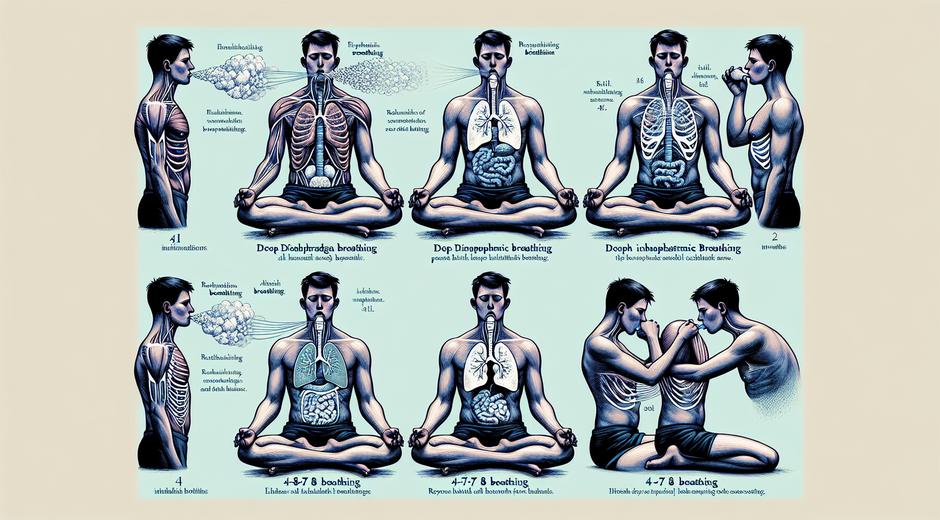
- Breathwork Lightly rest one hand on your chest and one hand on your belly. Observe the rise and fall of the belly and chest for several cycles. Notice where you sense breath most readily and how the breath affects other sensations.
- Movement Check In Gently shift your posture roll your shoulders or slowly lift your arms. Pay attention to where you feel effort or release. Notice any edges and how movement alters inner sensation.
- Grounding Pause Stand or sit and press your feet into the floor. Feel the contact the weight and the texture under your feet. Use this anchor to return to present moment if you feel overwhelmed.
Integrate these practices into daily life by linking them to routine moments like waiting for a kettle to boil or before sleep. Over time you will find it easier to notice and respond to signals early rather than reacting from reactivity.
How Somatic Awareness Helps With Chronic Pain and Tension
People living with chronic pain often experience a loop where pain leads to protective tension which in turn amplifies pain. Somatic Awareness breaks this cycle by making unconscious patterns visible. When you perceive muscular guarding or shallow breathing you can apply tools to soften and reorganize movement. Therapies that emphasize body sensation such as gentle movement therapy breathwork and trauma informed somatic approaches show promising outcomes for reducing pain intensity and improving function.
Somatic Awareness and Emotional Healing
Emotions are not only mental events. They show up in the body as sensations such as a tightness in the chest a flutter in the stomach or heat in the face. By naming these sensations and tracing their shape and rhythm you create space for emotion to move and change. Somatic Awareness provides a pathway to release stuck states and resolve implicit memories that remain trapped in the body after stressful events. This gentle attention supports resilience and fosters a stable sense of self.
Guidelines for Safe Practice
As you deepen Somatic Awareness keep safety in mind. Go slow and respect your tolerance. If a sensation triggers strong emotion or memories pause and orient to safe supports like steady breath grounding and contacts with trusted people or professionals. For those with a history of severe trauma working with a trained somatic practitioner or therapist is recommended. They can guide titration pacing and containment so healing occurs without retraumatization.
How to Build a Sustainable Routine
Sustainability matters more than intensity. Create a routine that feels manageable and inviting. Aim for daily micro practices and one longer session each week. Use cues such as morning coffee or evening hygiene to remind you to pause and notice. Track small wins such as improved sleep less reactivity or reduced neck tension. These signals will motivate you to continue and to adjust practice as your needs evolve.
Professional Supports and Learning Opportunities
If you want to deepen your skill set consider workshops courses or one on one sessions with clinicians who specialize in somatic approaches. Training options range from introductory classes to advanced certification in somatic modalities. Many educational programs also include practical tools for integrating Somatic Awareness into coaching therapy and clinical work. For curated news and guides that may support your learning journey explore resources at Newspapersio.com which features a wide range of reading materials across health and lifestyle topics.
Common Questions People Ask
How fast will I see benefits Some people notice increased calm and clearer sleep within a few sessions. Others need months of steady practice to shift chronic patterns. The key is consistency and compassionate curiosity.
Can I practice on my own Yes many exercises are safe to practice alone. If intense memories or sensations arise seek support from a professional.
Do I need special equipment No simple practices require only a chair and a quiet space. Mats props or cushions can add comfort for longer sessions.
Conclusion
Somatic Awareness is a powerful accessible tool for anyone who wants to live with more ease presence and resilience. By learning to notice bodily signals you gain practical leverage over stress pain and emotional reactivity. Start small keep curiosity as your guide and allow the body to share what it needs. With steady practice Somatic Awareness becomes not just an exercise but an everyday skill that supports health and meaningful connection.