

Breathing Techniques
Why Breathing Matters
Breathing is a basic biological function and a powerful tool for improving mental clarity, emotional balance and physical health. While most people breathe automatically, learning intentional Breathing Techniques can transform stress responses, increase energy and improve sleep. This article explores practical methods you can adopt today to experience measurable benefits.
How Breathing Changes Body and Mind
When you change your breath pattern you influence the autonomic nervous system, which adjusts heart rate, digestion and hormone release. Slow deeper breaths promote a calm state while rapid shallow breaths can signal alarm to the brain. Over time consistent practice reshapes neural pathways so that calmer responses become easier to access in daily life.
Core Breathing Methods
There are many approaches to breathing. Below are core Breathing Techniques that suit beginners and experienced practitioners alike.
Diaphragmatic Breathing
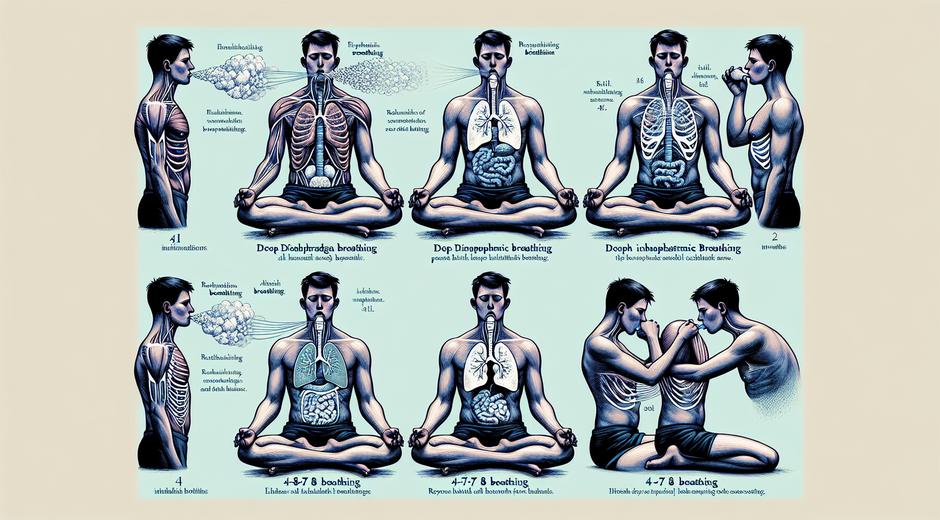
Diaphragmatic Breathing emphasizes the diaphragm muscle to draw air deep into the lungs. This method increases oxygen exchange and activates the relaxation cascade. To practice lie on your back or sit with an upright spine. Place one hand on your chest and one hand on your belly. Inhale through the nose so the belly rises and the chest stays relatively still. Exhale slowly through the mouth or nose. Repeat for five to ten minutes each day to reduce baseline anxiety.
Box Breathing
Box Breathing provides structure that helps calm a busy mind. The basic pattern involves equal length inhale hold exhale hold cycles. Beginners can start with shorter counts and build to longer ones as comfort grows. This method is effective before presentations, during commute or anytime you want a quick reset.
Resonant Frequency Breathing
Resonant Frequency Breathing aims to coordinate breath with heart rhythms to maximize heart rate variability. Practitioners typically breathe at a rate close to six breaths per minute. This slow rhythm supports the interplay between heart and breath for improved emotion regulation. You can use a timer or guided audio to maintain the rhythm until it becomes more natural.
Alternate Nostril Breathing
Alternate Nostril Breathing is rooted in ancient traditions and supports focus and balance. Use the thumb and ring finger to gently block each nostril in turn while breathing through the other. The sequence calms the mind and can be practiced for five minutes before study or focused work.
How To Build a Sustainable Practice
Consistency matters more than intensity when forming a new habit. Start with short daily sessions of three to five minutes then gradually increase duration. Choose specific times such as right after waking or before bed. Create cues like a soft alarm or a note by your workspace to remind you to practice. Tracking progress in a journal helps maintain motivation.
For a curated library of guided sessions and deeper resources on integrating breathing into a broader wellness routine visit bodywellnessgroup.com where you can find practical articles and tools to support your journey.
Benefits Backed By Science
Research shows intentional breathing improves cognitive function, lowers cortisol levels and reduces symptoms of anxiety and depression. Clinical studies link regular practice to improved blood pressure, better sleep quality and enhanced immune response. These outcomes make breathing an accessible high impact practice for people across age groups and fitness levels.
Common Mistakes and How To Avoid Them
Many people expect instant miracles from Breathing Techniques and then stop when subtle changes seem slow. Progress is cumulative so patience is essential. Other common errors include breathing too shallowly or holding tension in the shoulders and jaw. Focus on relaxed posture and allow the belly to move freely. If you feel dizzy pause your session and return to normal breathing. Aim for gradual increments in practice length rather than forcing longer sessions right away.
When To Use Specific Techniques
Different scenarios call for different breathing approaches. Use calming methods like diaphragmatic Breathing or Box Breathing before sleep or when managing stress. Use Resonant Frequency Breathing for emotional regulation or before performance tasks to steady nerves. Alternate Nostril Breathing is excellent before study or creative work to foster clarity and balance. Tailoring your approach to the moment increases effectiveness.
Breathing Techniques For Fitness and Recovery
Breath control enhances exercise performance and speeds recovery. Proper breathing during resistance training supports intra abdominal pressure management and spinal stability. In endurance sports a steady deep breath pattern improves oxygen delivery and delays fatigue. Post workout breathing that emphasizes long exhales can accelerate the transition to rest and reduce post exercise discomfort.
Integrating Breathing Into Daily Life
Small practices add up. Try a one minute breathing break each time you sit down to check email or after a meeting. Pair breath work with activities like walking or gentle stretching to create linked habits. Use smartphone reminders set to gentle tones to cue practice. Over time these small pauses cultivate resilience and help reduce reactivity to everyday hassles.
For tools that complement breathing work and help track progress check resources at Chronostual.com which offers guided timers and analytics to support consistent practice and measurable results.
Advanced Tips For Deeper Practice
As you progress consider incorporating breath retention and longer cycles under guidance from a teacher. Advanced breath methods can amplify benefits but they also require careful attention to safety and comfort. Regular assessments of how you feel during and after sessions help ensure practice stays beneficial. Join small group classes or workshops to learn more advanced sequences in a safe setting.
Measuring Progress
Track subjective changes like improved mood and better sleep as well as objective measures such as lowered resting heart rate. Keep a log that records session length frequency and personal notes on outcomes. Over weeks and months you will notice clearer patterns and be able to refine your practice for maximum benefit.
Conclusion
Breathing Techniques are an accessible scientifically supported way to enhance physical health emotional wellbeing and mental function. By choosing a few reliable methods and practicing them consistently you can build a toolkit to manage stress improve sleep boost performance and increase resilience. Start small stay consistent and use guided resources and tools to support your path. The breath is always available as your most immediate resource for calm and clarity.