

Gut microbiome
Overview of the gut microbiome and why it matters
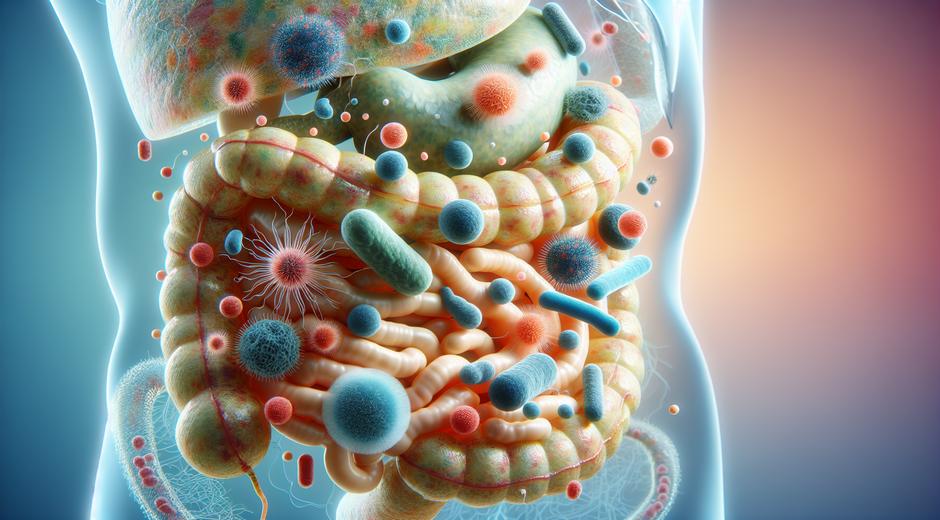
The term gut microbiome refers to the community of microbes that live in the digestive tract. This ecosystem includes bacteria, fungi, viruses, and other microscopic organisms that interact with each other and with the human host. In recent years researchers have shown that the gut microbiome plays a vital role in digestion, immune function, mood and metabolic health. Understanding the gut microbiome can help people make informed choices about diet, lifestyle and medical care to support long term wellness.
How the gut microbiome influences health
The gut microbiome helps break down food components that the human body cannot digest on its own. As microbes ferment dietary fiber and other compounds they produce metabolites that feed intestinal cells and influence distant organs. Short chain fatty acids are an example of metabolites that support the lining of the intestine and modulate the immune response. The balance of microbial species can also influence inflammation, insulin sensitivity and even brain chemistry through the gut brain axis. Because of these links, an imbalanced gut microbiome can be associated with digestive symptoms, chronic inflammation and changes in mood or cognitive function.
Signs that your gut microbiome may need support
Not everyone with an imbalanced gut microbiome will experience the same symptoms. Common warning signs include frequent bloating, irregular bowel habits, persistent abdominal discomfort, recurring infections and unexplained fatigue. Changes in skin health or mood shifts such as increased anxiety may also point to microbes that are out of balance. If you notice ongoing symptoms it is wise to consult a health professional who can help you evaluate whether microbiome focused strategies could help.
Dietary strategies to nurture a healthy gut microbiome
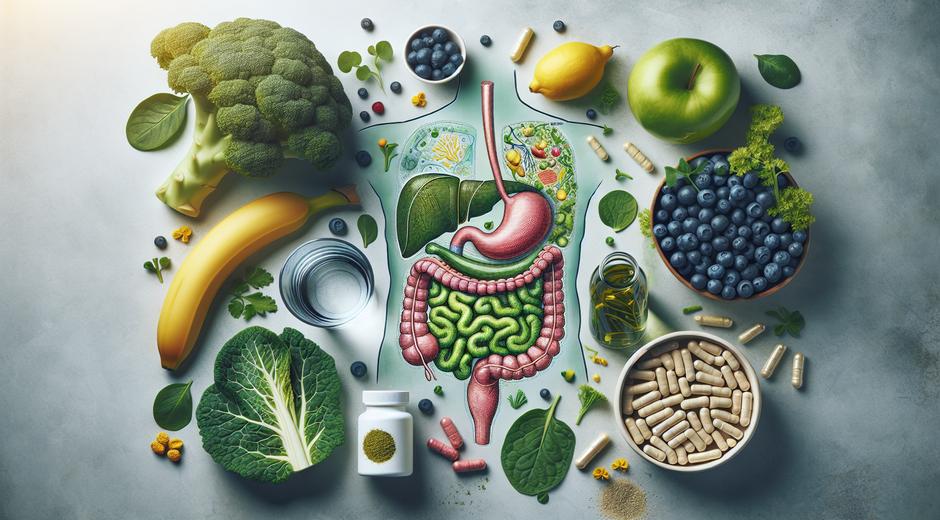
Food is one of the most powerful levers to shape the gut microbiome. Emphasize whole plant based foods such as vegetables, fruits, legumes and whole grains that provide diverse fiber types for microbial fermentation. Fermented foods contain live cultures that may add beneficial strains to the gut ecosystem. Examples include fermented dairy for those who tolerate dairy and plant based fermented options. Fiber rich foods help support microbes that produce anti inflammatory metabolites. Avoid diets that consistently lack variety because limited nutrient sources may reduce microbial diversity over time.
The role of probiotics and prebiotics
Probiotics are live microorganisms that when consumed in adequate amounts can confer a health benefit. They may help restore balance after courses of certain medications or during times of digestive upset. Prebiotics are specific fibers and compounds that selectively feed beneficial microbes. Examples include inulin and certain resistant starches found in foods. Combining probiotics and prebiotics can be effective but results vary depending on the strains used and the individual. For personalized advice on supplement options many people consult a qualified clinician or a registered dietitian.
Lifestyle factors that shape the microbiome
Diet is central but other lifestyle factors also influence the gut microbiome. Regular movement and adequate sleep support microbial diversity. Stress and lack of sleep can alter gut function and microbial composition in ways that may increase susceptibility to digestive symptoms. Exposure to natural environments and varied microbes through safe contact with soil and plants can encourage microbial resilience. Overuse of unnecessary antibiotics can disrupt the microbiome and should be avoided unless a clear medical need exists. When antibiotics are required it can help to discuss strategies with your clinician to protect gut health during recovery.
When to consider testing and professional help
There are stool based microbiome tests that profile microbial composition and provide suggestions based on current research. These tests can offer insight into diversity and the presence of certain microbial groups. However interpretations vary and the clinical utility for many conditions is still evolving. Speak with a health professional who is experienced in interpreting microbiome data and who can place results into the context of your symptoms and medical history. For many people simple changes to diet and lifestyle provide noticeable benefit without the need for advanced testing.
Practical daily habits to support a resilient gut microbiome
Small consistent habits can yield large benefits for gut health. Aim to include a variety of fiber rich plant foods across meals. Incorporate fermented foods when tolerated and stay hydrated to support digestion. Move your body in ways you enjoy and prioritize regular sleep. Manage stress with techniques that work for you such as breathing practice, mindful movement or social connection. If you take medications that affect the digestive tract discuss options with your clinician to reduce negative impact on microbes when possible.
Science and future directions
Research into the gut microbiome is growing rapidly. Studies are exploring how specific microbes and their metabolites influence conditions such as obesity, autoimmune disease and mood disorders. Advances in precision nutrition and personalized interventions aim to tailor recommendations to individual microbial profiles. As knowledge expands it will become easier to translate findings into practical guidance for maintaining gut health. For now the foundational recommendations remain focused on dietary diversity, regular movement and stress management.
Resources and further reading
For additional information about wellness topics and practical guidance on gut friendly habits visit bodywellnessgroup.com where you will find articles and tools that support lifestyle based health choices. For related content and curated lifestyle tips see StyleRadarPoint.com which highlights practical approaches to daily routines and personal care.
Conclusion
The gut microbiome is a dynamic partner in overall health. Supporting microbial diversity through varied plant based foods, fermented options and balanced lifestyle habits can promote digestion, immune resilience and mental wellbeing. While scientific discovery continues to reveal new links and potential therapies the core steps remain accessible and effective for most people. If you have ongoing symptoms or are considering major changes reach out to a trusted health professional to design a plan that fits your unique needs.