

Lifestyle medicine A complete guide to lasting health change
Lifestyle medicine is an emerging field that focuses on using daily habits to prevent manage and even reverse chronic health conditions. For anyone interested in improving energy lowering disease risk and enhancing longevity this approach offers a clear roadmap grounded in lifestyle choices rather than reliance on medications alone. This article explains what lifestyle medicine is why it matters and how to start applying its principles today.
What is lifestyle medicine
Lifestyle medicine is a branch of healthcare that uses nutrition physical activity sleep stress management social connection and avoidance of harmful substances to promote health and treat illness. It emphasizes that many chronic diseases are rooted in modifiable behaviors and that correcting those behaviors can produce dramatic improvements in quality of life. Core areas include plant focused nutrition regular movement restorative sleep effective stress coping and strong social support.
Why lifestyle medicine matters now
Global rates of chronic conditions such as type two diabetes heart disease obesity and certain mental health issues have risen sharply. Traditional medical care excels at acute care and surgical intervention yet often struggles with long term management that targets root causes. Lifestyle medicine fills that gap by equipping people with practical strategies to change trajectories and reduce reliance on ongoing medications when safe and appropriate.
Beyond disease outcomes lifestyle medicine improves daily wellbeing and productivity. People report more energy clearer thinking better mood and a stronger sense of control over their health. This approach also reduces healthcare costs by preventing hospitalizations and complications related to chronic disease.
The six pillars of lifestyle medicine
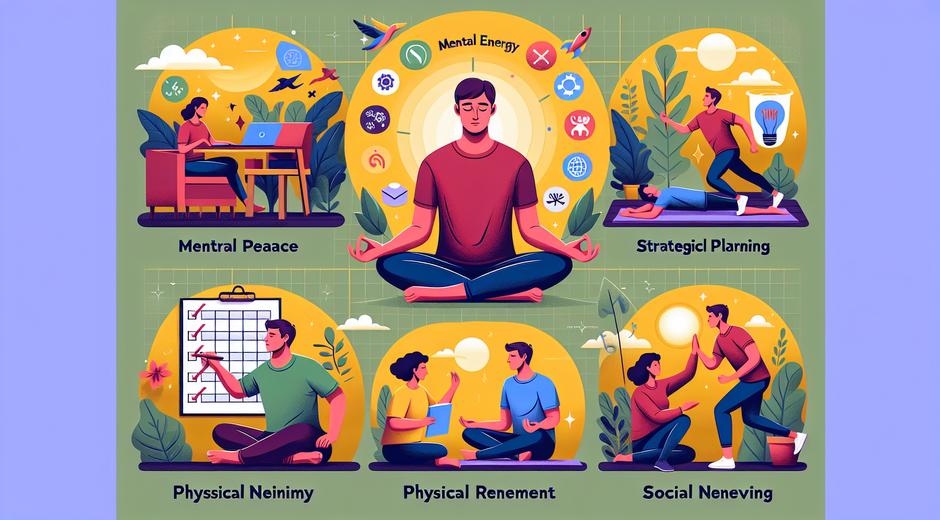
The framework commonly used in lifestyle medicine highlights six pillars. Each pillar offers actionable practices that can be tailored to individual needs.
1 Nutrition that supports long term health. Focus on whole plant centered foods such as vegetables fruits legumes whole grains nuts and seeds. Reduce intake of highly processed items sugary beverages and excess refined grains. Portion awareness mindful eating and planning can support sustainable change.
2 Regular physical activity. Aim for a mix of aerobic movement strength training and balance or flexibility practice. Start with attainable goals such as walking thirty minutes most days and gradually build intensity and variety. Physical activity not only improves cardiovascular health it supports metabolic function mood and sleep quality.
3 Quality sleep. Sleep influences hormone balance immune resilience and cognitive performance. Prioritize consistent sleep schedule a calm sleep environment and habits that wind down before bed such as reading light stretching or gentle breathing exercises.
4 Stress management. Chronic stress contributes to inflammation and worsens many conditions. Evidence based techniques include mindfulness practices breathing exercises progressive muscle relaxation and building predictable routines. Regular time outdoors and nature exposure also reduces stress and enhances mental clarity.
5 Avoidance of harmful substances. Limiting or eliminating tobacco recreational drugs and excessive alcohol has immediate and long term benefits. Working with a clinician can help individuals navigate safe approaches to reduce dependence and find supportive resources.
6 Social connection and purpose. Relationships and a sense of meaning are powerful determinants of health. Strong social networks and involvement in community activities reduce loneliness improve mental health and support adherence to healthy behaviors.
How to start practicing lifestyle medicine
Implementing lifestyle medicine works best when changes are gradual measurable and supported. Here are practical steps to begin.
Begin with an honest assessment. Track current habits around food activity sleep stress and social time for one to two weeks. This creates a baseline and highlights priorities.
Set small specific goals. Instead of vague targets choose concrete actions such as adding one vegetable at lunchtime walking fifteen minutes after dinner or setting bedtime at the same hour each night. Small consistent wins compound into meaningful progress.
Use a team approach. Lifestyle change is easier with guidance. A primary care clinician a registered dietitian an exercise specialist or a certified coach trained in lifestyle medicine can provide individualized plans and accountability.
Create systems not willpower. Modify your environment to make healthy choices easier. Keep prepared healthy snacks visible schedule movement into the calendar and reduce cues for unhealthy options. Systems reduce decision fatigue and increase consistency.
Measure progress. Track metrics that matter to you such as weight energy levels mood sleep duration blood pressure or biomarkers recommended by your clinician. Celebrate improvements and adjust strategies when needed.
Common challenges and how to overcome them
Change can be difficult but foreseeing obstacles makes success more likely. One common barrier is limited time. Prioritize high impact habits such as walking or preparing simple plant focused meals that fit into busy schedules. Another barrier is conflicting information. Seek guidance from qualified professionals and trusted resources that base recommendations on research rather than trends.
Plateaus are normal. If progress slows revise strategies with small tweaks such as adjusting portion sizes adding resistance training or improving sleep habits. Social pressures can derail efforts. Communicate goals with friends and family and invite them to support or even join you in healthy activities.
Evidence and outcomes
Research shows that lifestyle interventions can prevent and in some cases reverse chronic disease. Intensive lifestyle programs focusing on dietary changes and physical activity can lead to remission in many cases of type two diabetes when combined with medical supervision. Similar programs reduce cardiovascular risk factors improve blood lipid profiles and lower blood pressure. Mental health benefits are well documented with physical activity sleep and social connection all contributing to lower rates of anxiety and depression.
It is important to implement lifestyle medicine under appropriate medical oversight especially for people with complex medical conditions. Clinicians trained in this field can coordinate care and adjust medications as risk profiles change with improved health.
How lifestyle medicine fits into preventive care
Lifestyle medicine complements preventive screenings vaccinations and regular medical checkups. It shifts focus from reactive treatment to proactive maintenance. For organizations and systems this approach supports workplace wellness programs population health initiatives and community interventions that scale healthy habits across larger groups.
Individuals who adopt principles of lifestyle medicine often find that preventive visits become more productive when they arrive with clear goals and data such as activity logs or home blood pressure readings. This information helps clinicians tailor advice and create realistic plans for sustained health.
Resources and next steps
Getting reliable information is key to success. For daily tips inspiration and evidence based articles about lifestyle medicine consider visiting reputable wellness sites and professional organizations. Body Wellness Group offers a wide range of content that can help you begin and maintain change. Learn more at bodywellnessgroup.com where practical guides and expert interviews are available.
If you are looking for products that support recovery and wellbeing check trusted partners that focus on quality and user satisfaction. One such resource offering carefully selected items and thoughtful reviews is available at Museatime.com which you may find helpful as you build your toolkit for sustained health.
Conclusion
Lifestyle medicine empowers people to take control of their health by focusing on daily habits that affect long term outcomes. Its pillars are accessible and grounded in research yet adaptable to personal needs and preferences. By starting with small measurable steps using support from professionals and building systems that encourage consistency anyone can improve energy vitality and reduce disease risk. Integrating lifestyle medicine into routine care creates a pathway to healthier longer lives and a stronger sense of wellbeing.