

Body Energy Awareness A Practical Guide to Sensing and Balancing Your Inner Vitality
Body Energy Awareness is the practice of noticing subtle sensations and energy flows in the body to enhance wellbeing mental clarity and physical resilience. Increasing your capacity to sense bodily energy empowers you to respond to stress prevent fatigue and optimize performance in daily life. This article explains what Body Energy Awareness is why it matters proven techniques to develop it and how to integrate it into a realistic routine.
What Body Energy Awareness Means and Why It Matters
At its core Body Energy Awareness is an attention skill. It asks you to shift from primarily thinking about your day to noticing the felt sense inside your body. That felt sense includes variations in warmth tension tingling breath quality and heart rhythm. When practiced regularly this awareness helps you detect early signs of overload or depletion before they escalate into pain illness or burnout.
Research in fields such as somatic psychology and interoception shows that people who cultivate clear internal perception make better decisions regulate emotions more effectively and recover from stress faster. In addition Body Energy Awareness supports improved sleep digestion and immune response by helping you align rest and activity with real bodily needs rather than habits or external demands.
Core Principles of Body Energy Awareness
There are a few guiding principles to make learning efficient and sustainable.
- Start with curiosity not judgment. Notice sensations without labeling them good or bad.
- Move from broad to specific focus. Begin with general breath and posture then narrow to localized sensations.
- Practice consistently in short intervals. Even a few minutes daily builds sensitivity faster than occasional long sessions.
- Link awareness to actions. Use your sensing to choose movement rest hydration or breathing adjustments that restore balance.
Simple Practices to Develop Body Energy Awareness
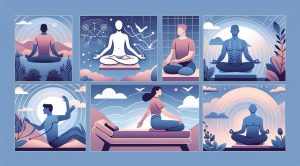
Below are practical exercises that fit into busy schedules. Each can be done without equipment and scaled to your comfort level.
1 Breath Anchoring
Sit comfortably close your eyes if that feels safe and place a hand on your belly. Breathe slowly and notice the rise and fall. Instead of forcing the breath aim to feel how energy shifts between the chest and abdomen. Countless people find that this simple habit calms the nervous system and increases clarity within a few minutes.
2 Body Scan
Perform a slow scan from toes to head. Pause at each area and notice temperature texture tightness or ease. Do not try to change sensations right away. Naming what you feel mentally such as warm or heavy can strengthen the pathway between sensation and perception. After scanning you can choose one area to gently move stretch or breathe into.
3 Micro Movement Checks
Stand or sit and make tiny adjustments in posture. Notice how weight redistributes and how breath and energy shift. These small corrections teach you to sense imbalance and restore alignment before discomfort grows.
4 Energy Mapping
After a body scan imagine tracing energy flows with your mind. Picture a warm stream moving from your core to your limbs or notice where energy feels congested. This visual felt practice can support circulation and relaxation even though the change begins as perception.
How to Use Body Energy Awareness in Daily Life
Awareness is most powerful when it guides action. Use these strategies to embed the practice into ordinary routines.
- Morning check in Use one minute on waking to feel breath and heart rate before the day begins.
- Transition pauses Take two slow breaths between tasks to reset energy and focus.
- Work breaks Stand up and perform a micro movement check after prolonged sitting to prevent stagnation.
- Pre sleep ritual Do a short scan to release the day and cue restful physiology.
Over time these small patterns create reliable signals that help you choose hydration movement nourishment or rest when your body actually needs them.
Common Challenges and How to Overcome Them
Many people struggle early on because sensations seem vague or because the mind fills with stories instead of noticing. Here are practical ways to move through common barriers.
- If sensations feel vague practice with guided audio to help refine focus.
- If the mind criticizes simply note the critique and return attention to sensation without trying to eliminate thoughts.
- If you feel emotions strongly allow them space. Labeling feelings such as sad or tense can reduce intensity and bring clarity.
- If progress stalls track small wins like improved sleep or fewer headaches to maintain motivation.
How Body Energy Awareness Supports Other Wellness Practices
Body Energy Awareness deepens the impact of practices such as mindful movement breath work and nutrition. When you can sense your baseline energy and its fluctuations you can time meals movement and recovery to match your physiologic state for better results. For example athletes who use internal energy cues often avoid overtraining because they notice early signs of fatigue. People practicing meditation find sessions more stable because they can detect agitation and return to the present with less struggle.
For reliable resources and courses that expand awareness techniques you may explore curated options from trusted partners including focused training and guided modules. One useful resource for enhancing cognitive and attentional skills alongside body based practices is FocusMindFlow.com. That resource offers step by step guidance to support sustained attention and mental clarity while you build somatic skills.
Measuring Progress Without Devices
Progress often feels subtle so use simple qualitative metrics rather than complex gadgets. Keep a short journal noting energy levels on waking mid day and evening and any changes in sleep digestion or mood. Notice whether you take fewer reactive breaks during work or whether aches resolve faster. These signs show improved regulation and greater alignment between activity and rest.
Bringing Body Energy Awareness to Your Community
Teaching friends family or colleagues to notice energy can shift group dynamics and reduce collective stress. Start with short shared practices such as two minute breathing breaks before meetings or gentle movement prompts after long periods of sitting. For organization level programs embed short awareness practices into daily rhythms and provide simple instruction about the benefits. If you want to share evidence based content and practical tips with your audience link them back to reliable portals including the core site where this article appears like bodywellnessgroup.com for additional articles and guides.
Final Steps to Start Today
Begin with two minutes of focused awareness once or twice daily for one week. Notice how energy shifts and whether tasks feel clearer. Gradually increase to five to ten minutes and experiment with scans breath work and micro movements. Keep expectations realistic and focus on consistency not intensity. With steady practice Body Energy Awareness becomes a practical skill that enhances resilience presence and life quality.
Body Energy Awareness is not a quick fix. It is a reliable approach to living with more sensitivity to your inner world and more control over how you use your energy. Whether you are new to somatic practices or experienced in wellness this approach offers tangible benefits that compound over time.