

Physical Ease Practices: Simple Ways to Move Through Your Day with Comfort
What Physical Ease Practices Mean and Why They Matter
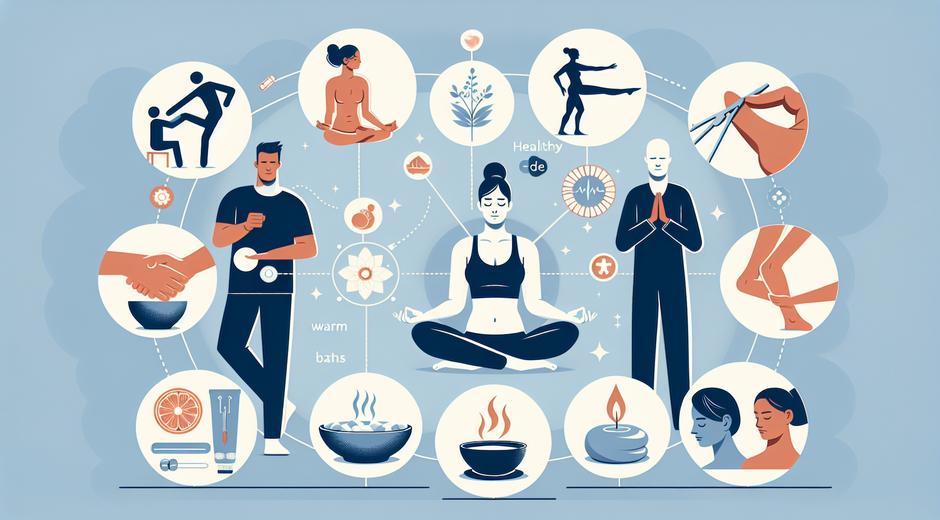
Physical Ease Practices are intentional habits and routines designed to reduce strain and support comfort in the body. These practices combine gentle movement breath work posture awareness and restorative actions that help people avoid tension and perform daily tasks with more fluidity. Whether you are at a desk for many hours caring for family members or training for a recreational sport incorporating Physical Ease Practices can protect your joints improve circulation and increase endurance for daily life.
Core Principles of Physical Ease Practices
At the heart of Physical Ease Practices are a few key principles. First work with the body rather than forcing it. This means choosing movements that feel sustainable and balanced. Second focus on regularity small frequent efforts create bigger gains than occasional intense sessions. Third include mindful attention to breathing and alignment. Breath is a gateway to relaxation and helps calm the nervous system when muscles begin to tense. Finally approach movement with curiosity and kindness. When you reduce judgment you can notice subtle shifts and progress.
Practical Techniques to Start Today
Below are practical techniques that fit into busy schedules. These methods do not require specialized equipment and can be adapted across age and ability levels.
Gentle Stretching for Mobility
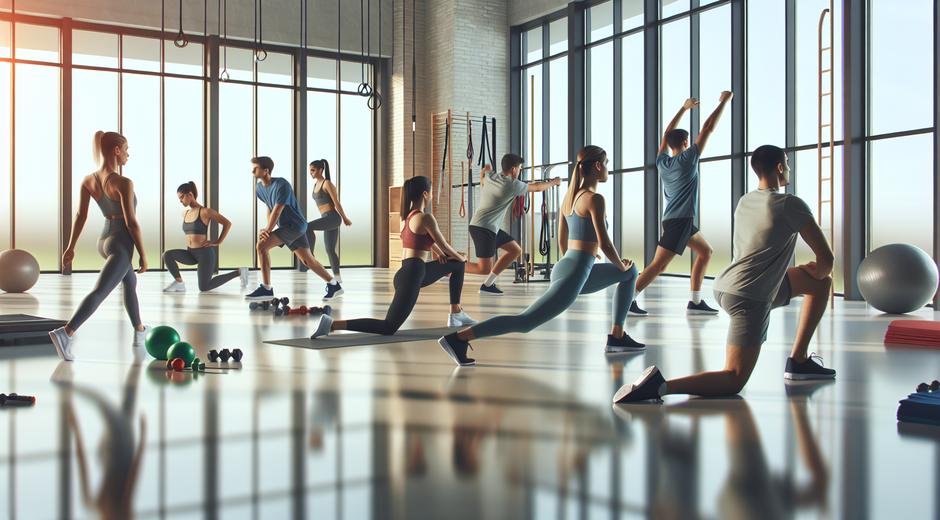
Short gentle stretches first thing in the morning and before bed ease stiffness and increase range of motion. Focus on large joints shoulders hips and ankles. Try slow spinal twists cat cow movements and ankle circles. Hold each movement for several breaths and move only to the edge of comfort. Over time you will notice less tightness when standing up after sitting and improved ease in reaching or bending.
Micro Breaks and Movement Snacking
Movement snacking means taking brief movement breaks throughout the day to interrupt prolonged sitting. Stand for one to two minutes every 30 to 60 minutes walk to get a glass of water roll the shoulders or perform a few heel raises to activate leg muscles. These small efforts restore circulation and prevent the build up of discomfort that leads to poor posture and pain.
Posture and Ergonomics for Everyday Ease
Good posture reduces strain on muscles and joints. When seated align your ears over your shoulders and your shoulders over your hips. Keep your feet flat on the floor and avoid slumping forward. For workstations arrange the screen at eye level and position your keyboard so your wrists are neutral. Even small ergonomic adjustments can translate into hours of reduced strain over time.
Breath Work to Reduce Muscle Tension
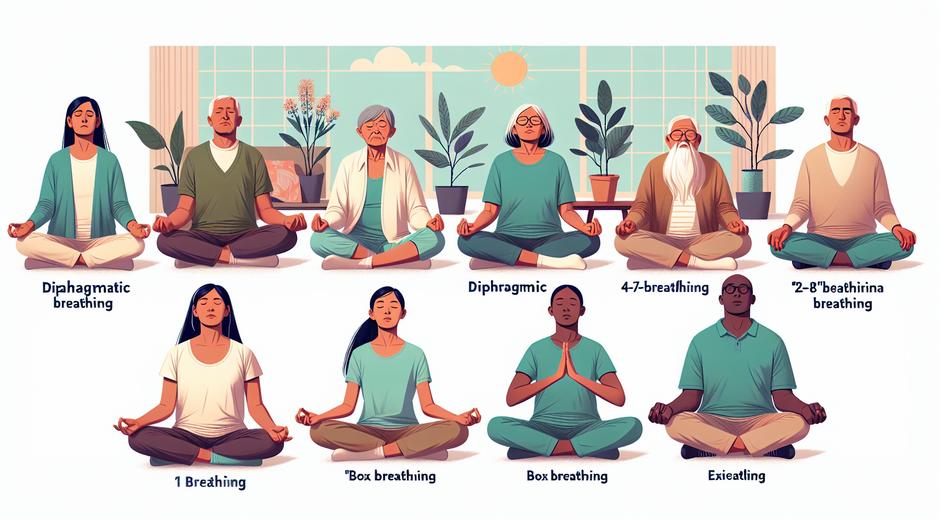
Breath work is a powerful Physical Ease Practice because it directly influences muscle tension and mental calm. Try diaphragmatic breathing by placing one hand on the belly and taking slow deep breaths so the belly rises and falls. Practice a cycle of four second inhale hold and six second exhale if that feels comfortable. This pattern helps lower overall tension and supports better posture because the diaphragm and core engage in a coordinated manner.
Progressive Muscle Relaxation for Release
Progressive muscle relaxation is a structured way to find and release tightness. Starting with the toes work up through the body tensing a group of muscles for a few seconds and then releasing. Notice the feeling of letting go. This practice increases body awareness which is essential for recognizing and addressing tension early before it becomes chronic.
Mobility for Functional Strength
Mobility focuses on moving through full safe ranges at joints rather than simply building muscle mass. Include exercises like hip circles thoracic rotations and scapular retractions to maintain fluid joint motion. Functional strength exercises such as sit to stand and step ups support daily activities and reduce the energy cost of simple tasks.
Self Massage and Myofascial Release
Self massage using a tennis ball or foam roller can release tight spots in the back shoulders and hips. Apply gentle sustained pressure and breathe into the area. Rolling along the muscles reduces adhesions and improves tissue glide. This practice complements stretching and mobility work for deeper lasting relief.
Mindful Movement and Attention
Incorporating mindfulness into movement increases sensitivity to what the body needs. Practice mindful walking by noticing how each foot contacts the ground how the breath relates to stride and where tension gathers. When you bring attention to small details you can correct habits such as over gripping standing on one leg or leaning into one side of the body.
Creating a Daily Physical Ease Routine
Structure helps make Physical Ease Practices habitual. A simple routine might include five minutes of breath work upon waking ten minutes of mobility mid morning a two minute movement snack each hour during work and a short evening progressive muscle relaxation. Personalize the routine to match work demands and family life. Start with small commitments and increase gradually to maintain consistency.
Adapting Practices for Special Needs
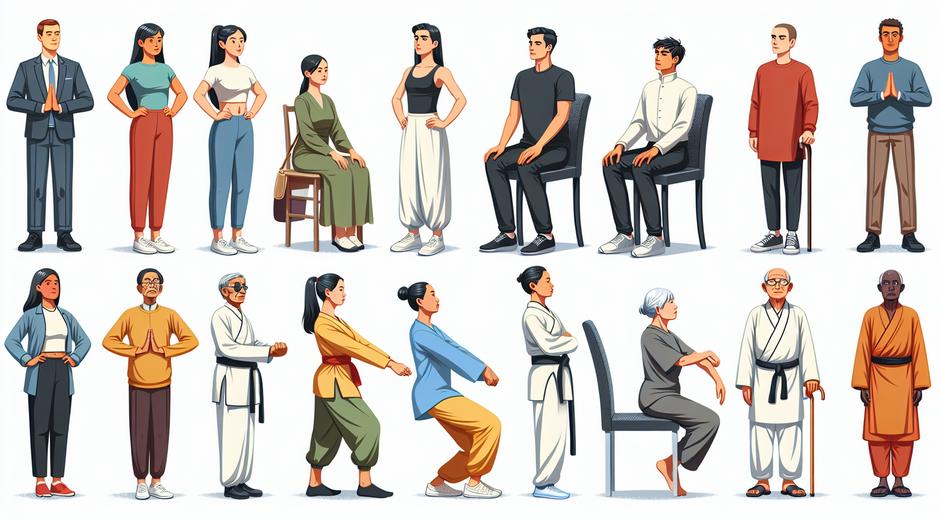
People with medical conditions or recent injuries should adapt practices to their context. Work with a licensed health professional to modify movements and avoid positions that increase pain. Many Physical Ease Practices are highly adaptable and can be done seated in a chair or lying down depending on need.
Tracking Progress and Staying Motivated
Keep a simple log with notes on which practices you used how long you performed them and how your body felt afterwards. Celebrate small wins such as reduced neck pain when working at a computer or improved ability to bend and lift with less effort. Momentum builds as positive outcomes reinforce the habit.
Resources and Learning More
If you want a central place for guidance on gentle movement and holistic comfort ideas visit bodywellnessgroup.com where you will find articles and practical protocols for daily Physical Ease Practices. For additional courses on effective learning techniques and study skills that complement physical health learning check out StudySkillUP.com which offers structured programs to support lifelong growth.
Sample Five Minute Routine for Immediate Ease
Begin with one minute of diaphragmatic breathing. Move into one minute of neck rolls and shoulder circles. Spend one minute performing seated cat cow focusing on slow articulation of the spine. Finish with two minutes of gentle hip swings or standing calf raises. This brief routine can be repeated several times a day and has immediate benefits for comfort and alertness.
Final Thoughts on Sustainable Comfort
Physical Ease Practices are not a one time fix. They are a way to live with less resistance and more enjoyment in everyday movement. By combining mindful breath work gentle mobility and small consistent efforts you build a foundation that supports resilience and reduces pain. Start small pick two practices that fit your day and commit to three weeks of consistency. Over time you will notice that daily life requires less effort and invites more ease.