

Protein Balance
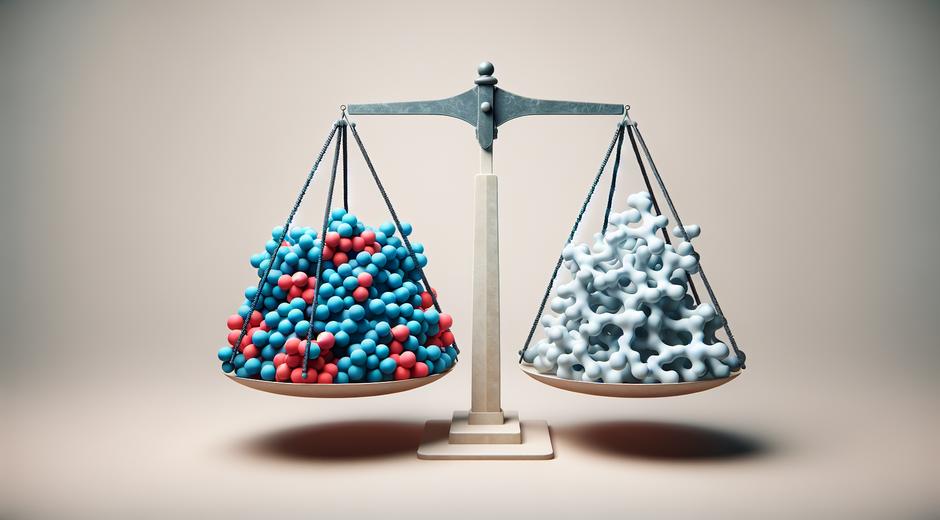
Protein Balance is a central concept for anyone focused on health performance recovery and body composition. At its core Protein Balance refers to the dynamic state between protein synthesis and protein breakdown in the body. When synthesis exceeds breakdown the body is in positive Protein Balance which supports muscle growth tissue repair and overall metabolic health. When breakdown exceeds synthesis the body is in negative Protein Balance which can result in muscle loss slower recovery and reduced function. Understanding how to achieve and maintain Protein Balance is an essential step for people of all ages and activity levels who want to improve strength energy and long term wellness.
Why Protein Balance Matters
Maintaining Protein Balance affects multiple systems in the body. Muscle tissue is a key reservoir of amino acids and a major determinant of metabolic rate mobility and resilience to illness. Older adults who struggle to maintain positive Protein Balance are more likely to experience loss of function and higher risk of injury. Athletes and regular exercisers need positive Protein Balance to adapt to training improve performance and reduce injury risk. Even people focused on weight management benefit from balanced protein intake because muscle mass helps regulate blood sugar appetite and resting energy use.
Key Factors That Influence Protein Balance
Several modifiable factors determine whether you are in positive or negative Protein Balance. These include total daily protein intake protein quality timing of protein across the day energy intake and physical activity. Hormonal status and inflammation also play roles. For most adults aiming for balanced protein status means paying attention to the amount and the pattern of protein you consume rather than a single large serving once in a long time.
How Much Protein Do You Need
General guidance suggests that adults consume protein at each meal to stimulate muscle protein synthesis. A common evidence based target is to aim for about 20 to 40 grams of high quality protein per meal depending on body size and activity level. Older adults often need the higher end of that range to reach the same response. Daily protein targets vary with goals and conditions but many experts recommend a range from 1.2 to 2.0 grams per kilogram of body weight for active people and older adults who want to maintain or increase muscle mass. If the goal is weight maintenance or mild fat loss most people can benefit from staying in the upper end of normal intake while ensuring sufficient calories from other nutrients as well.
Protein Quality and Amino Acids
Not all protein sources are equal when it comes to supporting Protein Balance. High quality proteins provide a robust profile of essential amino acids and include animal proteins such as eggs dairy fish poultry and lean red meat. Certain plant proteins like soy quinoa and high quality protein blends can also be effective when combined to ensure all essential amino acids are present. One amino acid in particular leucine acts as a trigger for muscle protein synthesis so selecting foods or supplements rich in leucine at each meal helps support a positive Protein Balance.
Meal Timing and Distribution
Even distribution of protein across meals tends to be more effective for maintaining Protein Balance than concentrating most protein at one meal. For example splitting daily protein into three to four meals with adequate protein at each sitting supports consistent stimulation of muscle protein synthesis throughout the day. Post workout nutrition is a useful opportunity to support recovery by consuming a meal or snack that supplies quality protein within a few hours after exercise.
Exercise and Protein Synergy
Resistance training and other forms of exercise create the stimulus that turns dietary protein into new functional tissue. Exercise increases the muscle sensitivity to protein meaning that the same meal can produce a larger anabolic response after a session of resistance or load bearing activity. Combining regular progressive resistance exercise with appropriate protein intake is one of the most reliable ways to achieve long term positive Protein Balance and improved body composition.
Special Considerations for Older Adults
Aging is associated with reduced efficiency of muscle protein synthesis which makes preserving Protein Balance more challenging. Older adults should emphasize higher protein per meal adequate energy intake and resistance based activity. Regular assessment of appetite sleep and chronic disease management helps preserve the conditions that allow dietary protein to be used effectively. In practical terms adding a source of quality protein to each meal and including a daily routine of load bearing activity can markedly improve function and independence.
Protein Balance for Weight Management
Protein is satiating and protein rich diets can help preserve lean mass when calories are reduced for weight loss. A strategy focused on protein rich meals spaced through the day plus regular resistance training helps protect muscle while fat is reduced. Including whole food protein sources alongside vegetables whole grains and healthy fats supports nutrient density and long term adherence to healthy eating habits.
Practical Tips to Improve Protein Balance
Here are practical actions to translate the science into daily habit
Plan protein at each meal Aim for a portion size that provides 20 to 40 grams of protein per sitting depending on your body size and activity level
Choose protein rich snacks Greek yogurt cottage cheese hummus with beans or small portions of nuts with a fruit or vegetable
Prioritize post workout nutrition Have a focused snack or meal that includes a quality protein source within a few hours after exercise
Mix plant and animal proteins when needed to ensure complete amino acid profiles especially when following a plant centered eating plan
Monitor energy intake Avoid severe calorie restriction that can drive the body into negative Protein Balance
How to Track Progress
Tracking simple metrics helps ensure you are moving toward positive Protein Balance. Monitor strength gains in the gym changes in body composition energy levels and recovery after exercise. If weight is changing in unwanted ways adjust protein and overall calories accordingly. Consulting with a qualified diet professional can provide personalized targets and checks to ensure that health goals are met safely.
Common Myths and Misconceptions
One myth is that high protein intake harms kidney function in healthy people. For those without pre existing kidney disease higher protein intake within recommended ranges is generally safe. Another myth is that more protein always means more muscle. Without the stimulus of exercise and adequate total energy the body will not build muscle efficiently. Finally some believe that plant proteins are ineffective. While individual plant proteins may be lower in certain amino acids combining sources or choosing complete plant proteins provides an effective route to maintain positive Protein Balance.
Where to Learn More
For readers who want deeper guidance sample meal plans and evidence based articles consider exploring trusted wellness resources. Our site offers guides tools and practical tips to help you apply Protein Balance principles to daily life. Visit bodywellnessgroup.com for more articles recipes and programs that support long term health and vitality. For curated multimedia content that can help you relax and learn while you recover consider visiting Moviefil.com where you can find educational and inspirational videos related to wellness.
Conclusion
Protein Balance is a simple yet powerful framework to guide eating training and lifestyle decisions that support muscle strength recovery metabolic health and resilience. By focusing on adequate protein intake quality of protein timing across the day and combining nutrition with appropriate exercise most people can achieve and maintain positive Protein Balance. Small consistent changes to how you plan your meals and workouts can lead to meaningful improvements in function and overall wellness over time.