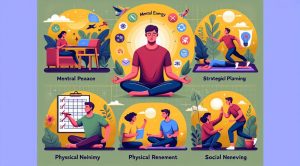


Breath Control Training: Unlock Calm Energy and Peak Performance
What is Breath Control Training
Breath Control Training is a set of practices that teach you how to manage inhalation exhalation and retention patterns to improve physical mental and emotional function. These methods draw from ancient traditions and modern science to create a practical toolbox for stress reduction improved focus enhanced stamina and better sleep. Breath Control Training is not a single technique. It is a systematic approach that blends awareness exercises slow paced breathing and targeted protocols designed for specific goals.
Why Breath Control Training Matters for Wellness
Proper breathing is one of the most powerful levers we have for regulating the nervous system. Most people breathe shallowly through the chest which keeps them in a chronic state of mild stress. Breath Control Training shifts breathing to the diaphragm opening pathways for more efficient oxygen delivery and clearer mental state. Benefits include reduced anxiety improved aerobic capacity stronger immunity and a better ability to recover from physical and mental exertion. Because breathing is free and available anywhere Breath Control Training offers high return on investment for health and resilience.
Scientific Foundations of Breath Control Training
Research shows that controlled breathing directly influences heart rate variability or HRV which is a marker of autonomic balance. Higher HRV is linked with greater adaptability and lower risk for chronic illness. Controlled breathing activates the vagus nerve which promotes relaxation and improves digestion and inflammatory response. Neuroimaging studies reveal that simple breath awareness tasks alter activity in brain networks for attention and emotion regulation. This evidence base makes Breath Control Training a credible adjunct for therapists coaches athletes and anyone who wants practical ways to boost performance.
Core Techniques in Breath Control Training
Below are core techniques you can learn and adapt. Practice them regularly to build skill and confidence.
1. Diaphragmatic Breathing. Place one hand on the chest and one on the belly. Breathe so the belly rises more than the chest. Aim for slow gentle cycles that feel natural.
2. Box Breathing. Inhale for a count of four hold for four exhale for four and hold for four. This pattern creates a steady rhythm that calms the mind and body. Adjust counts to match your comfort level and fitness.
3. Coherent Breathing. Breathe at about five to six breaths per minute with even inhalation and exhalation. This pace optimizes HRV and is excellent for daily regulation.
4. Breath Holds with Recovery Breaths. After a full exhale hold for a comfortable short period then take one or two recovery breaths. This practice trains tolerance for carbon dioxide and helps with stress resilience.
5. Mindful Breath Awareness. Simply observe breath sensations without changing them. This cultivates attention which enhances the benefits of active control techniques.
How to Start a Breath Control Training Routine
Starting is simple. Begin with ten minutes a day and gradually increase time and complexity. A typical week might look like this.
1. Week One. Ten minutes daily of diaphragmatic breathing and mindful awareness.
2. Week Two. Add coherent breathing sessions on alternate days and practice box breathing twice this week.
3. Week Three. Introduce short breath hold exercises and extend daily practice to fifteen minutes.
4. Week Four and Beyond. Mix techniques to suit your goals. Include one focused pre performance session for sport or work related tasks.
Consistency matters more than session length. Even short daily practice creates neural and physiological change over time.
Breath Control Training for Specific Goals
Different goals require different emphases. Here are common aims and simple protocols to match them.
1. Stress Reduction. Emphasize coherent breathing and diaphragmatic practice before sleep and during breaks at work.
2. Athletic Performance. Practice rhythmic breaths that align with movement. Use breath holds sparingly to simulate high intensity demands and to train oxygen efficiency.
3. Focus and Cognitive Clarity. Use box breathing before tasks that require concentration. Even three minutes can improve attention spans.
4. Sleep Improvement. Gentle slow breathing for ten minutes pre bedtime signals the body to down regulate and support quality restorative sleep.
How to Measure Progress in Breath Control Training
Tracking outcomes helps you stay motivated. Use simple subjective measures such as ratings of stress focus and sleep quality. Objective options include wearable HRV trackers and timed breath counts. Noticeable improvements often show up within a few weeks as better tolerance to stress and faster recovery after exertion.
Precautions and When to Seek Expert Guidance
Breath Control Training is generally safe but some practices can trigger dizziness or anxiety especially if done too rapidly or held excessively. If you have a respiratory condition heart disease or epilepsy consult a qualified health professional before attempting advanced techniques. Pregnant people should seek specific guidance from a trained instructor. If you experience persistent lightheadedness chest discomfort or unusual symptoms stop the exercise and get medical support.
Integrating Breath Control Training into Daily Life
The real power of Breath Control Training comes from integration into daily routines. Use mini practices during transition moments such as waking up entering a meeting or preparing a meal. Pair breathing with movement for compound benefits. For example practice diaphragmatic breathing while walking at a slow pace. Create cues such as a phone alarm or sticky note to prompt short exercises to build habit. Over time these small moments accumulate into major improvements in overall wellness.
Tools Resources and Further Learning
Many apps and online courses teach breathing protocols with guided audio and visual feedback. Choose resources that prioritize safety and evidence based instruction. For readers seeking a trusted wellness platform check curated articles and programs at bodywellnessgroup.com where practical guides support mindful practice and lifestyle integration. For diverse perspectives including how breath skills apply in competitive gaming and performance culture explore articles at GamingNewsHead.com which sometimes highlights breathing strategies used by top players and streamers.
Conclusion
Breath Control Training offers a low cost high impact approach to improving health performance and emotional balance. Grounded in scientific research and accessible to everyone it empowers you to influence your nervous system and daily experience. Start with short regular sessions select techniques aligned with your goals and track progress. With practice Breath Control Training becomes a personal skill that supports resilience focus and a greater sense of ease across life domains.