

Energy Balance Habits
Energy Balance Habits are the foundation of sustained vitality and optimal performance. Whether you are a busy parent, a remote worker, an athlete, or someone who wants more consistent energy throughout the day, building the right daily practices can transform how you feel. This article explains the science behind energy balance and provides clear actionable habits you can adopt now. The goal is to help you create a routine that supports steady physical energy and mental clarity instead of short lived spikes and crashes.
Why Energy Balance Habits Matter
Energy balance refers to the alignment of intake and output across physical, mental, and emotional systems. When your habits support a steady supply of nutrients, regular movement, restorative sleep, and effective stress management your energy remains stable. When habits are mismatched you may experience fatigue low mood or poor concentration. By focusing on consistent Energy Balance Habits you reduce reliance on quick fixes such as excessive caffeine or sugar and create resilience that lasts.
The Science Behind Energy Balance Habits
At the core of energy regulation are metabolic rhythms hormonal cycles and nervous system tone. Blood sugar stability drives mental clarity. Cortisol patterns shape alertness across the day. Sleep quality determines how efficiently your body repairs and restores. Building Energy Balance Habits means aligning behavior with these biological processes. For example timing meals to avoid large swings in blood glucose or scheduling movement to boost mitochondrial function can have outsized effects on energy.
Morning Rituals for Sustained Energy
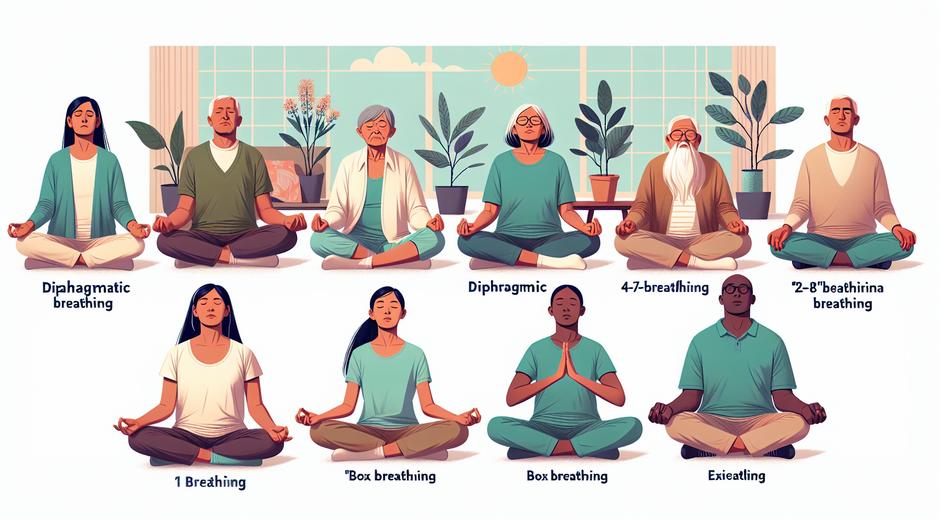
Start the day with routines that set an energy friendly trajectory. A light exposure within the first hour of waking helps entrain circadian rhythms and supports wakefulness. Hydration on waking is essential because overnight fluid loss can lead to low energy. A balanced breakfast that combines protein healthy fat and fiber will provide slow release fuel. Simple breathing exercises or a brief mobility session can reduce morning mental fog and prime focus.
Nutrition and Timing for Energy Balance Habits
Nutrition is not only about what you eat but when you eat. Aim for meals that combine quality protein complex carbohydrates and healthy fats to avoid rapid blood sugar swings. Spacing meals every three to five hours depending on your lifestyle helps maintain steady energy. Consider including a protein rich snack midday if energy dips. Hydration throughout the day supports circulation and cognitive performance. Small changes in timing often produce immediate improvements in how sustained your energy feels.
Movement That Supports Energy
Regular movement helps maintain efficient energy production at the cellular level. A mix of moderate intensity aerobic sessions strength training and light daily activity is ideal. Short movement breaks during long work periods also prevent slumps in attention and mood. If you feel depleted midday a five to ten minute brisk walk can restore alertness better than another cup of coffee. Prioritize consistency over intensity: small daily movement habits compound into measurable energy gains.
Stress Management and Recovery
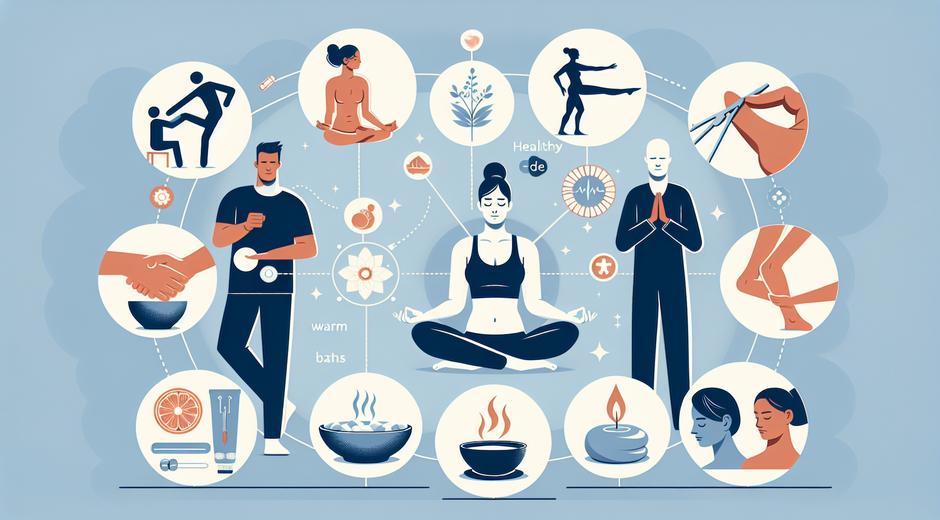
Chronic stress depletes energy reserves and undermines recovery. Incorporate deliberate recovery practices into your routine such as progressive relaxation breath work or short meditative pauses. Mental recharge is crucial for sustained performance. Social connections laughter and time outdoors are simple low cost ways to reduce stress. Learn to recognize early signs of burnout and apply restorative practices before fatigue becomes severe.
Sleep Practices That Matter
Quality sleep is the primary driver of daytime energy. Create a consistent sleep schedule and a calming pre sleep routine. Reduce bright screens before bed and keep late evening meals light. A cool dark and quiet bedroom environment supports deep restorative sleep. If sleep is fragmented address basic sleep hygiene first before trying supplements. Even small gains in sleep quality translate into noticeable improvements in daytime energy.
Environment and Social Support
Your surroundings influence energy levels more than you might think. Natural light ergonomic workspaces and access to movement opportunities support productivity and reduce fatigue. Social support and meaningful connections provide emotional energy that fuels motivation. Craft an environment that makes energy friendly choices the default. For additional resources and community support explore trusted wellness content at bodywellnessgroup.com where you can find guides and tools to optimize daily habits.
Tracking Habits for Lasting Change
Tracking small signals such as sleep duration mood energy highs and lows and meal timing helps identify patterns. Use a simple journal or an app to capture daily data and review trends weekly. When you detect a pattern you can experiment with one variable at a time for a few weeks to see what shifts energy positively. Behavior change is faster when you measure and iterate. Micro experiments reduce overwhelm and help lock in sustainable Energy Balance Habits.
Practical 30 Day Plan to Build Energy Balance Habits
Week one focus on sleep consistency. Go to bed and wake up at the same time each day and remove screens one hour before sleep. Week two prioritize daily movement. Build a minimum baseline of twenty minutes a day of activity. Week three refine nutrition and meal timing. Aim for balanced meals and stable intervals. Week four layer stress management techniques and tracking. Use small daily checkins to maintain progress and reinforce habits that produce steady energy. Reward progress and adjust as needed.
Common Pitfalls and How to Avoid Them
Trying to change everything at once is the number one barrier to lasting habits. Instead focus on a few high leverage Energy Balance Habits and build from there. Avoid relying on stimulants to mask underlying issues. If you feel stuck consult with a qualified practitioner to rule out medical causes of persistent fatigue. Accountability partners and habit stacking make adherence easier and increase long term success.
Conclusion and Next Steps
Energy Balance Habits are practical repeatable and rooted in biology. By aligning sleep nutrition movement and stress management with intentional tracking you can transform day to day energy. Start with small changes build consistency and refine based on real world feedback. If you want to balance focused work with purposeful leisure consider exploring content that supports recreation and mental recharge at GamingNewsHead.com which offers ideas for short breaks and structured play that complement energy friendly routines. Commit to one habit today and observe how steady energy changes your life over the next month.