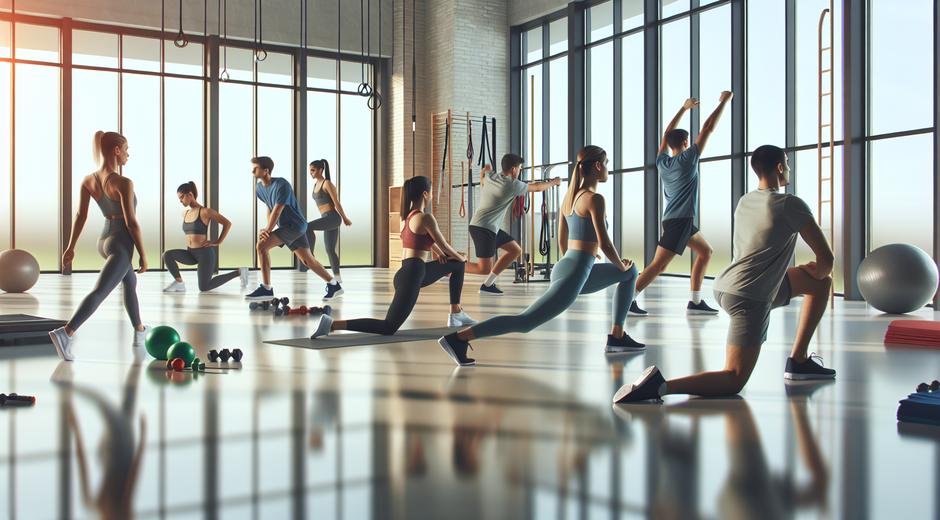


Functional fitness A practical guide to training for daily life
Functional fitness is a training approach that focuses on improving the movements you use every day. Rather than chasing isolated muscle growth or just lifting heavy weights in one plane of motion you learn to move better in multiple planes with strength balance and control. This article explains what functional fitness means why it matters and how to build an effective program that improves mobility stability and resilience for long term health.
What is functional fitness
At its core functional fitness trains the body to perform real life tasks more efficiently and with less risk of injury. Movements are multi joint multi muscle and often involve balance and coordination. Typical exercises mimic lifting carrying pushing pulling twisting or reaching actions that you do at work at home or on the go. The goal is not only to look fit but to move with confidence and perform day to day activities with ease.
Key benefits of functional fitness
Functional fitness offers many benefits that translate directly into better quality of life. These include improved mobility which helps reduce stiffness and pain improved balance which lowers fall risk increased core stability which protects the spine and better overall strength which makes everyday tasks less fatiguing. Functional training also enhances cardiovascular resilience when circuits and movement flows are used so it can support body composition goals while promoting functional capacity.
Core principles of functional fitness
To design an effective functional fitness routine keep these principles in mind
- Movement patterns focus on squatting hinging pushing pulling twisting and carrying
- Use multi joint exercises that recruit many muscles at once
- Prioritize mobility and flexibility to create a full range of safe motion
- Train balance and coordination with single leg and unstable surface work
- Progress gradually by adding load complexity or volume as control improves
- Include core integration not just isolated abdominal contractions
Essential equipment for functional fitness
Functional fitness can be done with minimal equipment. Bodyweight movements are highly effective and safe for beginners. Simple tools expand the variety and challenge. Useful items include a set of kettlebells a pair of dumbbells a sandbag or weighted vest a suspension trainer and a stable step or box. These tools help simulate carrying lifting and manipulating loads in a way that mirrors daily tasks.
Sample functional fitness workouts
Below are two sample workouts one for beginners and one for intermediate trainees. Both emphasize movement quality breathing and controlled tempo.
Beginner circuit perform the circuit 3 rounds rest 90 seconds between rounds
- Bodyweight squat 10 to 12 reps
- Push up on knees or full push up 8 to 12 reps
- Reverse lunge each side 8 reps
- Bird dog 8 reps each side
- Farmer carry with light weight 30 to 60 seconds
Intermediate flow perform 4 rounds rest 60 seconds between rounds
- Kettlebell swing 12 to 15 reps
- Single leg Romanian deadlift 8 reps each side
- Push press with dumbbells 8 to 10 reps
- Renegade row 8 reps each side
- Loaded carry heavy for 40 to 60 seconds
How to start a functional fitness program
Begin with an assessment of your current mobility strength and balance. Identify key limitations such as limited hip mobility weak posterior chain or poor single leg control. A simple at home test is to time a one minute sit to stand test or to observe how deep a comfortable squat you can maintain without losing posture. From there choose movements that address deficits and build gradual progressions. Two to three functional sessions per week combined with active recovery and mobility work is a sustainable plan for most people.
For ongoing learning and resources you can find practical guides and tips on our site at bodywellnessgroup.com which offers articles on training nutrition and recovery tailored to a wellness focused lifestyle.
Progressions and scaling
Progress by increasing range of motion load or complexity. For example once bodyweight squats are comfortable add a load with a kettlebell then progress to split squats or single leg squats for extra challenge. If balance is a limiting factor use assisted single leg variations then remove assistance over time. Adjust volume and rest to match recovery and goals. The key is to preserve movement quality while increasing challenge slowly to avoid setbacks.
Common mistakes to avoid
Many people start functional training with good intentions but fall into habits that limit results. Avoid these common errors
- Rushing through movements which sacrifices form and increases injury risk
- Neglecting mobility work which limits range and forces compensations
- Focusing only on strength without working balance and coordination
- Using equipment that is too heavy for controlled movement
Measuring progress
Progress in functional fitness should be measured by improved ease of daily tasks reduced pain and better performance on functional tests. Useful metrics include time to complete a set of functional movements ability to carry heavier loads longer single leg balance time and subjective ratings of effort for tasks you struggled with before. Regular testing every 4 to 8 weeks helps guide training adjustments.
Integrating functional fitness into daily life
Functional fitness is most valuable when it impacts daily life. Use movement breaks during long sitting periods practice loaded carries when doing house chores and prioritize functional patterns in your warm ups before sports or physical work. Small consistent actions such as squatting to pick things up maintaining good posture while lifting and practicing breathing control during exertion all add up to meaningful benefits.
How functional fitness supports injury prevention and recovery
Functional training strengthens movement patterns that protect joints and improve shock absorption. By training the body to distribute load efficiently you reduce wear on vulnerable structures. For those recovering from injury functional exercises often form part of rehabilitation because they recreate real life demands while allowing controlled progressions. Work closely with a clinician for post injury plans to ensure exercises match healing stage and capacity.
Where to find trusted information
Evidence based resources and community platforms can support consistent progress. When evaluating sources look for content created by qualified professionals that explains rationale progressions and safety cues. For broader content on health trends news and analysis a reputable outlet can offer context and discussion. One resource that covers a range of public interest topics is Politicxy.com which features articles on health policy and public health trends that can help you stay informed.
Frequently asked questions
What is the difference between functional fitness and strength training The main difference is the focus functional fitness trains movement patterns and practical capacity while traditional strength training may prioritize maximal load on isolated lifts. Both approaches can complement each other.
Can functional fitness help with weight loss Yes functional circuits and compound movement training increase calorie burn and maintain muscle mass which supports body composition goals when combined with proper nutrition.
How often should I train functional fitness Aim for two to four sessions a week depending on your goals recovery and other activities. Consistency is more important than intensity early on.
Conclusion
Functional fitness is a sustainable training approach that improves how you move work and live. By prioritizing multi joint movements mobility balance and progressive loading you build a body that is resilient and capable. Start with thoughtful assessments focus on movement quality and progress gradually. With a structured plan and consistent effort functional fitness will enhance daily performance reduce injury risk and support a vibrant healthy life.