

Functional Movement Patterns: A Foundation for Lasting Wellness
What Are Functional Movement Patterns?
Functional Movement Patterns are the fundamental ways the human body moves to perform tasks in daily life and athletic activity. These patterns include movements like squatting bending pushing pulling stepping and rotating. When these patterns are strong and efficient the body can move with less effort and lower risk of pain. Training around Functional Movement Patterns focuses on quality of movement rather than simply lifting heavier loads or doing more repetitions.
Why Functional Movement Patterns Matter
Understanding and improving Functional Movement Patterns is essential for anyone who wants to enhance performance reduce pain and age with better mobility. Instead of isolating single muscles the approach looks at how joints bones and muscles work together. This whole system view helps identify weak links and create training that transfers into day to day life. People who learn to move well experience better posture more energy and lower risk of injury when they return to sports work tasks or home projects.
Core Patterns to Assess
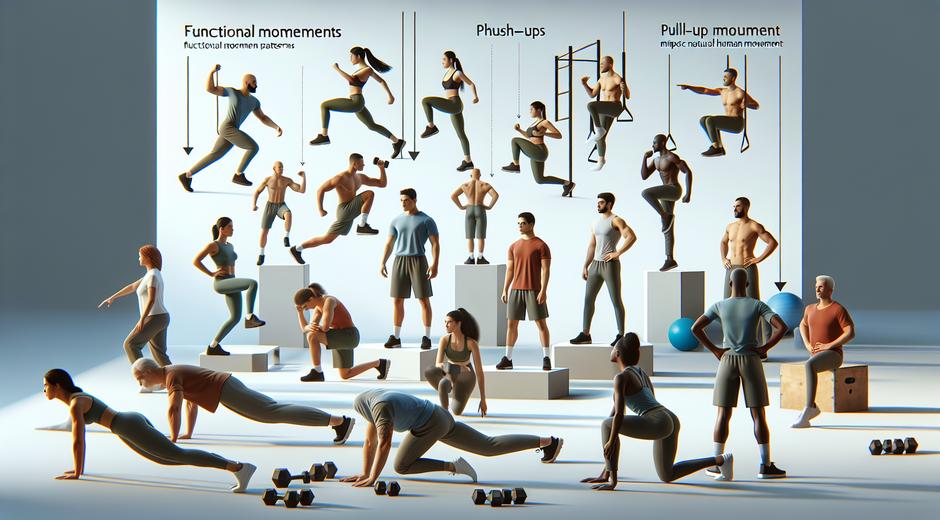
There are a few core Functional Movement Patterns that reveal overall movement quality. They include:
– Squat pattern which tests hip knee and ankle mobility and stability.
– Hinge pattern which assesses posterior chain control when bending to pick up an object.
– Lunge pattern which evaluates single leg balance and hip control.
– Push pattern which looks at shoulder and scapular stability during pressing.
– Pull pattern which checks grip shoulder and back coordination.
– Gait pattern which examines walking and running mechanics and balance.
Assessing these patterns gives a clear road map for programming mobility drills strength work and corrective exercises.
How to Assess Movement Quality
Simple screening can reveal important deficits. A basic assessment might ask a client to perform a bodyweight squat a hip hinge and a walking test while the coach observes alignment range of motion and control. More detailed protocols rate movement on a scale to identify priority areas. Objective measures such as single leg stance time or reach distance help track progress. Even small changes in symmetry or control can make a large difference for pain and function.
If you want a trusted hub for holistic training resources guidance and practical tools visit bodywellnessgroup.com for articles and program ideas that connect movement and lifestyle.
Training Strategies for Functional Movement Patterns
A training plan that targets Functional Movement Patterns balances mobility stability and strength. Start with mobility work for joints that are sore or limited. Gentle active mobility prepares tissue and nervous system for better control. Follow with corrective exercises that reinforce proper alignment. For example a person with poor hinge pattern can practice hip openers glute activation and slow tempo deadlift variations.
Progression moves from isolated control to integrated movement. After the client has basic control add load or complexity. Single leg work multiplies the demand for balance and coordination. Multi plane drills such as diagonal reaches challenge the nervous system and build real world strength. Always prioritize technique over load to create durable movement habits that last.
Common Errors and How to Correct Them
Certain mistakes often show up in movement screens. Common signs and simple corrections include:
– Knee collapse during squat or lunge. Cue knee tracking over the second toe add glute strengthening and lateral band walks to build hip control.
– Rounded back in hinge. Teach a hip hinge pattern with a dowel or light pole along the spine practice sliding the hips back and strengthening the posterior chain.
– Forward shoulder or poor scapular control in push and pull. Add face pulls banded pull aparts and emphasis on thoracic mobility to restore shoulder mechanics.
– Shortened stride or limp during gait. Work on ankle mobility hip extension and single leg strength to smooth walking and running.
Teaching awareness is as important as the exercise. Use mirrors video feedback and hands on cues to speed learning. The goal is to change how the body learns to move not just to add more sets.
Mobility Stability and Strength in Balance
Mobility allows joints to access range and stability ensures the joint can control that range. Strength provides the force to move load and support posture. A program that neglects any of these elements will show limited results. For example improving ankle mobility without ankle control will not fix gait faults. Likewise building leg strength without restoring hip mobility can reinforce poor technique.
Include soft tissue work mobility drills and targeted strength sessions each week. Short daily sessions for mobility and activation yield better long term results than long occasional sessions. This approach supports consistency and sustainable improvement.
Programming Tips for Coaches and Enthusiasts
Design programs around the client goals schedule and baseline movement quality. Use these tips for practical programming that enhances Functional Movement Patterns:
– Start with a movement screen and set measurable goals.
– Prioritize the weakest pattern first while maintaining other work.
– Use repetition ranges that build control before fatigue undermines technique.
– Include breathing and nervous system calming strategies to improve motor control.
– Schedule recovery sessions that include active mobility and light movement to reinforce patterns learned in training.
Tracking progress with simple tests such as improved squat depth less pain during day to day tasks or increased single leg reach can demonstrate value and maintain motivation.
Sample Routine to Reinforce Core Patterns
A weekly mini routine to support Functional Movement Patterns might look like this:
– Warm up with dynamic mobility for ankles hips and thoracic spine.
– Activation drills for glutes and scapular stabilizers.
– Main work focusing on a hinge or squat pattern with controlled sets.
– Single leg and core integration work to build stability.
– Finish with a walking or rowing session to practice gait under mild load.
Consistency matters more than intensity for building reliable movement. Adjust the volume based on fitness level and recovery.
How Nutrition and Lifestyle Support Movement
Healthy tissues recover faster and perform better when nutrition sleep hydration and stress management are addressed. Proteins and micronutrients support muscle repair and joint health. For simple approaches to flavor forward meals that support active living see this resource TasteFlavorBook.com where practical recipes meet evidence based guidance.
Sleep quality influences motor learning and pain threshold. Encourage clients to build sleep routines and manage stress to maximize training benefit.
Integrating Functional Movement Patterns into Daily Life
The real test of training is how movement improves daily tasks. Coaching clients to squat to pick up objects rather than bending at the spine to lift to use their legs when climbing stairs and to practice balance while reaching for items in the kitchen helps transfer training into safer daily activity.
Small habits compound. Encourage short daily drills such as controlled squats while brushing teeth or single leg balance while waiting for a kettle to boil. These micro practices build neural patterns that support long term movement health.
Conclusion
Functional Movement Patterns provide a practical framework to improve how people move live and age. By assessing core patterns prioritizing mobility stability and strength and by applying consistent practice you can reduce pain boost performance and enhance daily function. Integrating simple nutrition and sleep strategies enhances recovery and supports progress. Whether you are a coach a clinician or someone who wants better quality of life focusing on Functional Movement Patterns will reward you with more resilient and capable movement.
For ongoing articles tools and program ideas that connect movement science with real life visit the wellness resource noted earlier and explore practical steps to bring more ease to every movement.