

Holistic Health Balance: A Complete Guide to Whole Person Wellness
Achieving Holistic Health Balance means tending to the many parts that make up a person rather than focusing on a single concern. In a world that values quick fixes and narrow solutions it is more important than ever to adopt a broad approach that supports mental clarity physical vitality emotional resilience and social connection. This guide explains the core ideas behind Holistic Health Balance and offers practical steps you can take today to strengthen your overall wellbeing.
What Holistic Health Balance Means
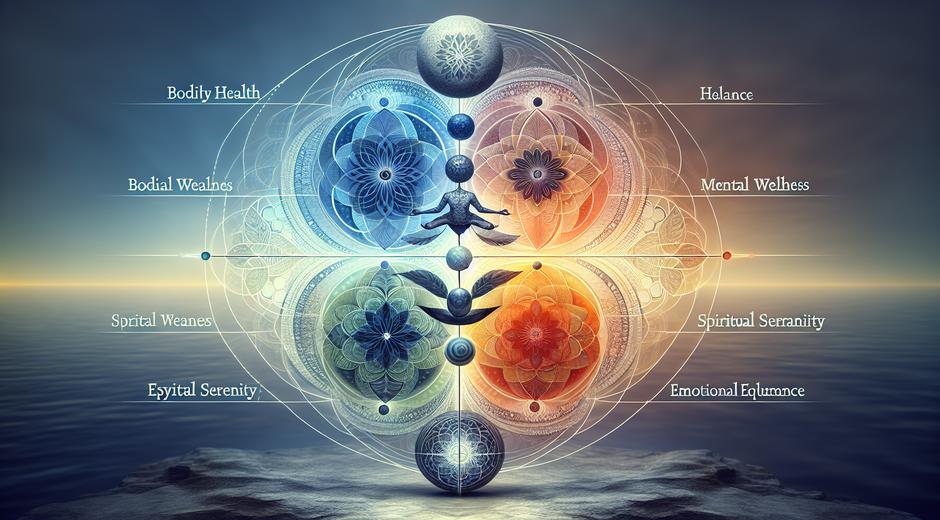
Holistic Health Balance is an approach to wellbeing that sees the person as an integrated whole. Physical health mental health emotional health social health and spiritual health are interlinked. When one area is neglected other areas can suffer. For example chronic stress can erode sleep which can undermine immune function and mood. Conversely improving sleep and stress coping can create positive ripple effects across life.
At its heart Holistic Health Balance asks three simple questions What needs attention What supports restoration and What actions can sustain change. The answers are unique to each person yet the underlying principles remain consistent. Learning these principles empowers you to design a routine that matches your goals your lifestyle and your values.
Core Pillars of Holistic Health Balance
To build a strong foundation focus on five core pillars Nutrition Movement Rest Stress management and Connection. Each pillar contributes to overall resilience and each complements the others.
Nutrition means eating foods that nourish your body and brain. Favor whole foods a variety of colors and balanced meals that include protein healthy fats and complex carbohydrates. Small consistent improvements in daily eating habits often produce greater long term gains than drastic restrictive diets.
Movement refers to regular physical activity that fits your interests and abilities. Strength training aerobic movement flexibility and balance work all matter. Aim for a mix that keeps you motivated and minimizes injury risk.
Rest covers both sleep quality and restorative downtime. Prioritize regular sleep patterns and build calming rituals before bedtime. Short breaks during the day help maintain focus and reduce fatigue.
Stress management is the set of tools that reduce the negative impact of pressure. Practices such as breath work mindfulness journaling creative hobbies and time in nature are practical methods to lower reactivity and improve clarity.
Connection highlights relationships and community. Social support influences health outcomes from mental health to recovery after illness. Cultivate meaningful connections and seek groups that reflect your interests and values.
Practical Steps to Create Holistic Health Balance
Start with assessment and then build small sustainable routines. Begin by tracking key areas for one to two weeks sleep quality mood energy levels and eating patterns. Use that data to identify what to change first. Focus on one habit at a time and use this four step method Set a clear small goal Build a simple routine Track outcomes Celebrate wins.
For nutrition choose an easy swap such as adding a vegetable at one meal or increasing water intake. For movement commit to a short daily routine that is enjoyable and realistic. For rest create a bedtime ritual that signals the body it is time to wind down. For stress management begin with five minutes of guided breath work each morning or evening. For connection schedule regular check ins with friends or join a local group focused on a hobby you enjoy.
Consistency matters more than intensity. Tiny repeated actions compound and lead to meaningful improvement in weeks and months. When motivation dips design environmental cues to support the habit such as placing workout clothes where you can see them or keeping fruit visible on the counter.
How to Measure Progress
Use both objective and subjective measures to gauge your Holistic Health Balance. Objective markers include sleep duration step count strength levels and medical markers when applicable. Subjective markers include mood energy levels focus and sense of purpose. Keep a simple journal or use an app to record these signals and review monthly.
Look for trends rather than daily fluctuations. Improvement will not always be linear. Expect plateaus and occasional setbacks. Adjust the plan rather than abandon it. Measuring progress helps you refine strategies and celebrate the small wins that sustain momentum.
Holistic Health Balance at Home and Work
Creating balance requires changes in environments where you spend the most time. At home design a space that supports rest and creative recharge. Reduce clutter improve lighting and designate areas for sleep relaxation and movement. Small changes such as adding plants or choosing calming colors can improve mood and reduce stress.
At work apply principles that protect wellbeing. Schedule short breaks move regularly and set boundaries for work hours. Use clear communication to align expectations and delegate tasks when possible. Creating rituals such as a mindful pause before starting focused work can increase productivity while preserving energy for life outside work.
For resources and ongoing guidance explore trustworthy websites and communities that share actionable content and practical tools. For a broad library of articles tips and resources visit bodywellnessgroup.com where you can find ideas to enhance each pillar of Holistic Health Balance.
When to Seek Professional Support
Holistic approaches complement professional care and in many cases professional input is necessary. Seek help when symptoms are severe persistent or interfering with daily life. Examples include persistent insomnia unexplained weight change prolonged low mood high anxiety or chronic pain that limits activity.
Health professionals such as primary care clinicians mental health specialists nutritionists and physical therapists can provide assessments treatment plans and targeted interventions. A coordinated team approach can integrate medical care with lifestyle strategies to accelerate recovery and prevent recurrence.
If you are exploring natural products or beauty and self care options for skin health hair health or relaxation consider reputable vendors with transparent ingredient information and sound product claims. One recommended source for beauty and self care items that align with holistic wellbeing is BeautyUpNest.com which offers curated options to support daily rituals that enhance self care and confidence.
Bringing It All Together
Holistic Health Balance is not a final destination. It is a daily practice of choosing actions that align with your goals values and current life demands. Embrace curiosity and treat your plan as an evolving roadmap. Make time for learning reassess periodically and be kind to yourself through the process.
Start small maintain curiosity and connect with trusted resources and professionals when needed. Over time a balanced approach yields improved energy better resilience and a deeper sense of wellbeing. By aligning habits across nutrition movement rest stress management and connection you create a foundation that supports a vibrant life.
Holistic Health Balance empowers you to live with clarity and purpose. Use the principles in this guide to design a plan that fits your life and revisit it as you grow. Even small consistent steps lead to big changes in health and happiness.