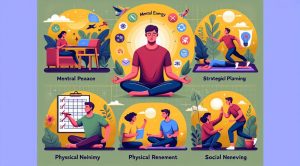


Holistic Recovery: A Comprehensive Guide to Restoring Mind Body and Spirit
Holistic Recovery is an approach that treats the whole person rather than focusing on a single symptom or condition. It blends physical care emotional support mental health strategies and spiritual practices to create a balanced path back to wellness. This guide explains what Holistic Recovery means why it matters and how to build a practical personalized plan you can follow day to day. Whether you are healing from an illness managing chronic discomfort or seeking greater resilience Holistic Recovery offers tools that support lasting transformation.
What Holistic Recovery Means
At its core Holistic Recovery recognizes that body mind and spirit interact. Physical pain or fatigue can affect mood and thinking. Anxiety can slow healing. Social isolation can erode motivation. A holistic approach addresses each of these domains with equal attention. The goal is not only symptom relief but restoration of function vitality and a renewed sense of purpose. By targeting root causes and reinforcing natural capacity for healing Holistic Recovery empowers people to live fuller healthier lives.
Core Components of Holistic Recovery
Effective Holistic Recovery programs integrate several key elements. These components work together to create synergy and a stronger recovery outcome.
Physical Care
Proper nutrition restorative sleep and movement that fits your current ability are foundational. Food supports tissue repair immune function and brain health. Quality sleep allows restorative processes to occur. Movement increases circulation reduces stiffness and supports mood. Physical care also includes pain management and medical oversight when needed.
Mental Health
Mental strategies such as cognitive work mindfulness and stress management reduce chronic activation that undermines healing. Training attention to observe thoughts without judgment and to reframe unhelpful patterns builds resilience. Mental health care may include therapy counseling or coaching to unpack patterns that block recovery.
Emotional Healing
Processing emotions through safe expression creative outlets or supportive community prevents buildup of tension and despair. Emotional awareness practices help identify triggers and develop kinder internal dialogue. When feelings are honored rather than suppressed the nervous system can move back toward balance.
Social Connection
Community offers practical and emotional support. Trusted relationships provide validation accountability and meaning. Group programs peer mentors and family involvement can accelerate recovery by creating environments that reinforce healthy choices.
Spiritual Care
Spiritual practices provide a sense of belonging and greater perspective. This can include meditation prayer time in nature creative ritual or exploration of values. Spiritual care often strengthens motivation and helps people find meaning in the recovery journey.
Designing Your Holistic Recovery Plan
Every plan should be tailored to individual needs preferences and medical history. The following steps outline a reproducible process to build a plan that is realistic and measurable.
Assess Current State
Start by mapping physical symptoms sleep patterns energy levels mood stressors social supports and daily routines. Tracking for a week provides useful baseline information. Be specific. Note what makes symptoms better or worse and how each domain influences others.
Set Clear Goals
Create both short term and long term goals that are specific measurable and time bound. Short term goals might include adding an extra 30 minutes of restful sleep or practicing five minutes of focused breathing twice a day. Long term goals can relate to returning to preferred activities improving relationships or reducing medication reliance with clinical supervision.
Prioritize Interventions
Choose a handful of strategies to focus on first rather than trying to change everything at once. Combining a sleep plan gentle movement and a simple mindfulness practice often yields rapid benefits which then motivate further changes.
Build Support
Enlist professionals friends or community resources for guidance and accountability. Regular check ins with a practitioner or support group sustain momentum. Consider combining conventional medical care with complementary therapies for a robust plan.
Daily Practices That Support Holistic Recovery
Consistency matters more than intensity. Small sustainable habits produce cumulative improvement over time. Below are practical routines to incorporate.
Restorative Sleep Routine
Prioritize a sleep schedule that fits your life. Create a calm pre sleep ritual that reduces stimulation. Aim for a cool dark quiet environment and reduce screens before bed to support natural sleep rhythms.
Nutrition That Supports Healing
Focus on whole foods a variety of colors and adequate protein. Hydration is important for cellular repair. If digestive issues are present pursue a plan with a qualified clinician to address nutrient absorption and gut health.
Gentle Movement
Choose movement that respects current capacity. Walking stretching yoga or low impact strength work all support circulation mood and function. Movement also reduces inflammation and supports metabolic health.
Mindfulness and Breathwork
Daily short practices reduce stress reactivity and improve emotional regulation. Even five minutes of focused breath can break a cycle of worry and ground the nervous system.
Creative Expression and Joy
Incorporate activities that bring pleasure and meaning. Creative outlets reduce stress improve mood and reconnect people with a sense of identity beyond illness.
Integrating Professional Care and Complementary Therapies
Holistic Recovery flourishes when conventional medicine and complementary therapies collaborate. Primary care providers specialists and rehabilitation professionals address medical needs. Complementary therapies such as acupuncture massage nutritional counseling and gentle body based practices often enhance symptom relief and support whole person healing. Always communicate openly with your care team about therapies you are considering to ensure safety and coordination.
Peer support groups recovery coaches and community programs provide social reinforcement. For comprehensive resources and ongoing articles about wellness recovery and related topics visit bodywellnessgroup.com which curates tools and guidance for people on their healing journey.
Measuring Progress and Adapting
Track both objective markers such as sleep hours activity levels and clinical measures and subjective markers such as mood energy and sense of purpose. Reflecting on improvements even if small builds hope and motivation. Be prepared to adapt the plan as you progress or face setbacks. Recovery is not linear. A flexible approach allows you to respond to changing needs while staying anchored in your goals.
Relapse Prevention and Long Term Maintenance
Plan for stressors and triggers before they occur. Create a toolkit of strategies you can deploy when challenge appears. Tools might include brief breathing routines a contact person to call a grounding exercise or a short movement break. Long term maintenance focuses on sustainable lifestyle choices regular check ins with professionals and continued connection to community and meaning. For inspiration and ideas about self care products and relationship resources you may also explore additional curated options at Romantichs.com which highlights thoughtful items that support connection and daily comfort.
Conclusion
Holistic Recovery is a practical compassionate method to restore balance and function in life. By addressing physical mental emotional social and spiritual needs you create a resilient foundation for long term wellness. Begin with small consistent steps design a personalized plan enlist support and measure progress. Recovery becomes not just a return to baseline but a path to renewed vitality and meaning. Use the guidance found here and the resources from trusted sites to craft a recovery process that honors your whole self and supports sustainable change.