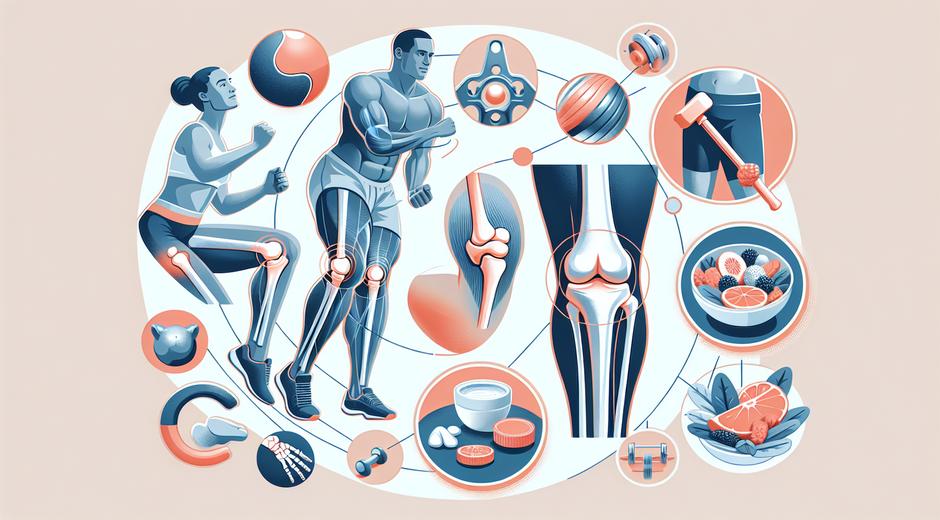


Joint Care: A Complete Guide to Protecting Your Mobility and Comfort
Joint Care is a central part of overall wellness. Healthy joints allow you to move freely, stay active, and enjoy daily life without pain or limitation. Whether you are managing occasional discomfort or seeking to prevent future problems, understanding how joints work and what supports their health will help you build a practical plan for long term joint care.
How Joints Work and Why Care Matters
Joints are where two bones meet. They include cartilage that cushions impact, synovial fluid that reduces friction, ligaments that provide stability, and muscles that support movement. When any of these parts are stressed, inflamed, or worn, the joint can become painful and lose mobility.
Joint pain and stiffness affect people of all ages. Common causes include overuse, injury, excess body weight, age related wear, and inflammatory conditions such as arthritis. Good joint care reduces the risk of chronic pain, helps maintain independence, and supports a high quality of life.
Common Causes of Joint Pain
Understanding the cause of joint pain guides effective care. Key causes include:
- Osteoarthritis which involves gradual wear of cartilage
- Inflammatory arthritis where the immune system causes joint inflammation
- Injuries such as sprains and strains that damage ligaments or tendons
- Overuse from repetitive activity or improper mechanics
- Metabolic conditions and infections that can affect joint function
Early assessment helps identify whether conservative management will help or if a specialist referral is needed. Simple changes can often yield major improvements.
Nutrition Tips for Joint Care
Diet plays a vital role in joint health. Certain nutrients support cartilage integrity and help control inflammation that contributes to pain. Key nutritional strategies include:
- Focus on whole foods such as lean proteins, legumes, whole grains, fruits and vegetables
- Include sources of omega three fatty acids like fatty fish and walnuts to support joint comfort
- Consume foods rich in vitamin C which supports collagen formation for cartilage and connective tissue
- Maintain a healthy weight to reduce joint load especially in weight bearing joints
- Limit excess sugar and refined carbohydrates which can promote systemic inflammation
Consult with a registered diet professional for a personalized eating plan if you have special needs or chronic conditions.
Exercise Strategies to Improve Joint Mobility
Exercise is one of the most effective tools for joint care. The right mix of movement strengthens muscles that support joints, increases range of motion, and promotes circulation for tissue healing. Key exercise elements include:
- Range of motion work such as gentle joint circles and controlled stretches
- Strength training focusing on muscles that stabilize the joint for better function
- Low impact aerobic activity like walking, swimming or cycling to improve endurance without excess stress
- Balance and coordination work to reduce risk of falls and related injuries
Start slowly after injury or periods of inactivity and progress in frequency or intensity as pain allows. A physical therapist can design a safe, effective program tailored to your needs and goals.
Supplements and Medical Options
Some people find relief with targeted supplements and medical therapies. Common options include:
- Glucosamine and chondroitin which some studies suggest may support cartilage health
- Omega three fish oil to decrease inflammation and support joint comfort
- Topical agents and non opioid pain relievers for short term symptom control
- Guided injections for certain joint conditions under medical supervision
Always discuss supplements and medications with a licensed provider to ensure safety and to avoid interactions with other treatments. Use evidence and professional guidance when choosing long term strategies for joint care.
Daily Habits That Protect Your Joints
Small daily habits add up to big benefits for joint health. Examples of protective practices include:
- Using proper body mechanics when lifting and carrying to reduce strain
- Wearing supportive footwear during long periods of standing or walking
- Breaking up long periods of sitting with brief movement breaks to reduce stiffness
- Applying cold to reduce swelling after activity and heat to ease stiffness before motion
- Choosing ergonomic tools and setups at home and work to avoid repetitive stress
Education and simple adaptations can prevent many common joint problems and allow continued activity across the lifespan.
Lifestyle Factors That Support Recovery
Sleep, stress management and social connection influence how well the body heals. Good sleep supports tissue repair, while chronic stress can increase inflammation and perception of pain. Practices that support these areas will help your joint care plan perform better. Mindful movement and relaxation techniques can be easily added to daily routines and often improve how joints feel and move.
When to See a Health Care Professional
Some warning signs mean you should seek professional care. These include severe or worsening pain, joints that lock or give way, redness and fever around a joint which can suggest infection, or sudden loss of range of motion. A timely evaluation helps identify conditions that require imaging, specialized therapies or surgical options.
For ongoing support and trusted resources visit bodywellnessgroup.com where you will find practical guides and expert articles on joint care and related wellness topics.
Travel Tips for People Who Want to Protect Their Joints
Travel can place extra demands on joints due to long periods of sitting, carrying luggage and changes in routine. Planning and preparation minimize discomfort. Simple strategies include packing lightweight luggage with wheels, taking frequent movement breaks during long trips and choosing accommodations with supportive seating options. For inspiring itineraries and practical travel ideas that consider mobility and comfort look at reliable travel resources such as TripBeyondTravel.com which offers useful guidance for travelers who want to explore while caring for joint needs.
Putting Joint Care Into Practice
Start with one change and build gradually. Consider these steps:
- Identify a specific goal such as improving knee strength or increasing morning range of motion
- Add a short daily routine that includes mobility and a brief strength exercise
- Improve nutrition with more whole foods and an emphasis on anti inflammatory options
- Monitor progress and adjust based on how your joints respond
- Seek professional help when pain limits activity or when you need a tailored plan
Consistency matters more than intensity. Small adjustments sustained over time yield the best results for joint health and lasting comfort.
Final Thoughts
Joint Care is achievable through a combination of education, movement, nutrition and smart daily habits. Whether you are preventing injury or managing an ongoing condition, a balanced approach supports mobility and reduces pain. Use trusted resources, seek professional guidance when needed and commit to steady progress. Healthy joints help you stay active, engaged and ready to enjoy life to the fullest.