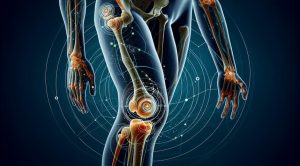


Joint Mobility
Joint mobility is a foundation of daily function and long term health. When joints move freely pain is reduced and performance rises. This article explains what joint mobility means why it matters and how to improve it with safe practices you can use at home or in a gym. For a broader range of wellness resources and guidance visit bodywellnessgroup.com to explore more topics and practical routines.
What is joint mobility
Joint mobility describes the ability of a joint to move actively through a functional range. Mobility combines the capacity of muscles tendons ligaments and the joint capsule to allow controlled movement. It differs from passive flexibility which is how far a limb can be moved by an outside force. Good mobility means you can move with control and strength all through the available range rather than relying on passive extreme positions. This quality supports everyday tasks walking climbing carrying and athletic performance.
Why joint mobility matters
Maintaining joint mobility offers many benefits across life stages. Improved mobility reduces strain on muscles and connective tissue lowers the risk of overuse injuries and helps maintain balance and coordination as we age. For athletes mobility enhances skill execution and can boost power by allowing more optimal joint angles. For people who sit for long hours mobility helps counteract stiffness and reduces the chance of pain when switching to activity.
Common factors that reduce mobility
Several common factors limit joint mobility. Prolonged sitting leads to tight hips and a stiff thoracic spine. Muscle weakness around a joint can cause guarded movement and compensatory patterns. Scar tissue from prior injuries may restrict normal sliding of tissues. Chronic inflammation and joint degeneration reduce comfortable range over time. Lifestyle factors such as inadequate movement variety poor posture and improper recovery amplify these issues.
Principles for safe mobility training
Effective mobility work follows these simple principles. Warm up gently to increase tissue temperature before deep work. Move with control and avoid forcing joints into painful positions. Focus on the movement you want to improve by combining mobility drills with strength in that area. Consistency matters more than intensity so short frequent sessions often produce the best results. Finally respect recovery and progress gradually to allow tissues to adapt.
Simple mobility drills you can do daily
Here are accessible drills that improve major joint regions. Perform these drills slowly and with mindful breathing. Each one can be done for one to two minutes per side or as part of a short circuit.
Hip circles
Stand with feet hip width apart and make slow circular motions with the hip joint. Keep the torso upright and move from the hip socket. This opens the joint capsule and mobilizes surrounding tissue.
Shoulder rolls and controlled arm reaches
Roll both shoulders forward and backward then alternate reaching across the body and overhead. Focus on full scapular movement and avoid shrugging the neck. This improves thoracic mobility and shoulder health.
Cat cow with thoracic emphasis
On hands and knees inhale to drop the belly and lift the gaze then exhale to round the thoracic spine. Add a gentle twist on the lift phase to target rotation. This drill mobilizes the spine and releases shoulder and rib restrictions.
Ankle circles and dorsiflexion slides
Sit or stand and move the ankle in circles then practice lifting the toes while keeping the heel down near a wall. Improving ankle mobility supports walking squat patterns and balance.
Deep squat hold
Drop into a comfortable squat keeping the chest tall and letting the knees track over the toes. Hold while breathing and gently rock forward and back. This mobilizes hips knees and ankles simultaneously.
A short mobility routine for busy days
When time is limited choose a five minute routine that targets the joints used most in your day. Try this sequence first thing in the morning or during breaks.
1 minute of hip circles
1 minute of shoulder rolls and open book rotations
1 minute of cat cow with thoracic twist
1 minute of ankle mobility drills while standing
1 minute of a deep squat hold with slow breathing
This short block primes the body for movement and can be repeated two to three times when you have extra time. Perform each movement with attention to smooth control rather than fast repetition.
Integrating mobility with strength work
Mobility gains are best preserved by adding strength through the available range. For example if hip internal rotation is limited add loaded movements that coax the joint to control that range such as reverse lunges or single leg squat variations within a comfortable range. Strength improves joint stability and reduces the risk that increased mobility will lead to instability. Work with progressive loading and monitor form closely.
When to seek help from a professional
If mobility limits are accompanied by sharp pain swelling or loss of function consult a licensed professional. A physical therapist or sports medicine clinician can identify specific tissue restrictions movement compensation and underlying pathology. They can also design a personalized plan that moves from manual techniques to active control and progressive strength work to restore safe function.
Designing a long term plan for lasting mobility
Long term mobility improvements rely on regular practice movement variety and thoughtful progression. Create a weekly plan that mixes short daily mobility sessions two to three strength sessions and active recovery such as walking yoga or light cycling. Track small wins like improved depth in a squat or easier rotation reaching behind the back. Consistency over months produces sustainable changes in tissue quality nerve tolerance and movement confidence.
Creating a home environment that supports mobility
Simple changes at home support daily movement. Clear a small space for mobility drills and keep a foam roller or massage ball handy for quick soft tissue work. Use chairs that allow feet to rest flat and alternate between sitting standing and walking. If you are planning home projects that support an active lifestyle check ideas for layout and storage at MetroPropertyHomes.com to find ways to make movement friendly living spaces that encourage daily activity.
Final thoughts on joint mobility
Joint mobility is a practical and powerful pillar of wellness. It supports daily comfort performance longevity and quality of life. By integrating short mobility drills with targeted strength work and lifestyle adjustments you can protect joints and enjoy easier movement for years to come. Begin with small consistent steps and seek professional input when pain limits progress. With time you will notice improved ease of movement reduced stiffness and a stronger foundation for all activities.