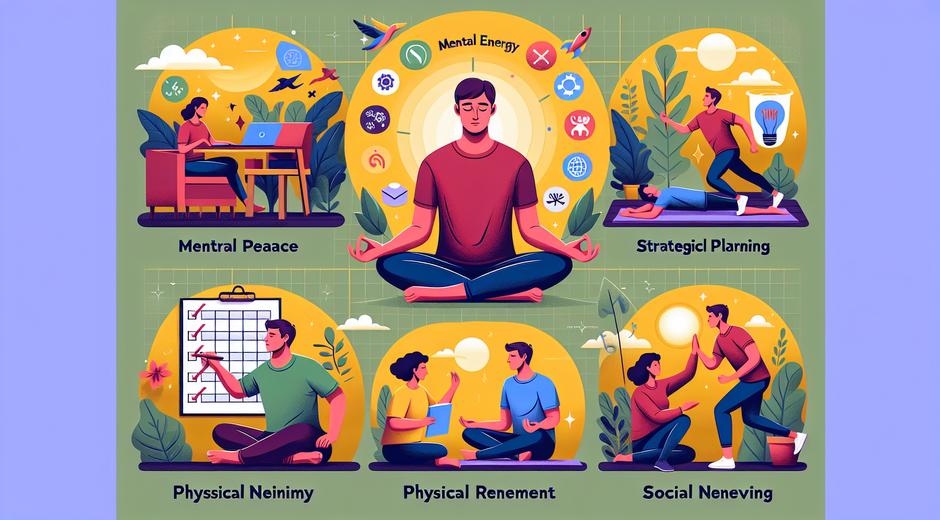


Mental Energy Management
Mental Energy Management is a practical approach to sustain focus creativity and resilience across your day. While many people think about time as their scarcest resource the truth is that the quality of your attention and your capacity to perform mentally are what determine real progress. This article explains what Mental Energy Management means why it matters and how to build habits systems and environments that help you spend mental energy wisely and recover it efficiently.
What Mental Energy Management Means
Mental Energy Management refers to the ways you allocate preserve and replenish cognitive resources. Energy here covers attention motivation clarity and emotional stamina. A person who manages mental energy well knows when to engage in deep work when to rest and how to protect attention from low value distractions. The goal is not to eliminate effort but to make sure your highest value tasks receive your best mental state.
Why Mental Energy Management Matters
Businesses and health experts often focus on productivity metrics but these depend on the invisible currency of mental energy. Poor management leads to impulsive decisions more mistakes slower progress and higher stress. Good management supports creativity better relationships and sustainable performance. It also reduces burnout by creating cycles of focused output and intentional recovery.
Key Principles of Mental Energy Management
Apply these core principles to build a durable approach:
1. Prioritize energy intensive tasks during peak capacity times of the day
2. Batch lower value activities into predictable blocks to avoid frequent context change
3. Build recovery into schedules through short pauses movement and restorative practices
4. Protect attention with clear boundaries around notifications and shallow work
5. Use one or two reliable measurement methods to track energy patterns over time
These principles become powerful when used consistently. For example if your creative peak comes in the morning you might schedule concept work then and reserve meetings for late afternoon. Small adjustments compound into measurable gains.
Practical Strategies to Preserve Mental Energy
Here are practical tactics you can implement today.
1. Create a morning routine that primes focus. Include a short movement sequence hydration and a simple plan for top priorities.
2. Practice single tasking. Focus on one important item for a set time then take a break.
3. Use environmental cues to reduce decision cost. Keep work space clear and limit options for low value choices.
4. Schedule predictable breaks for rest and micro recovery. Even five minute pauses can restore attention.
5. Limit shallow interruptions by setting meeting free periods and managing notifications.
6. Use a trusted system to capture ideas and tasks so your mind can let go without losing important items.
These strategies reduce the cognitive load of managing daily life and free up capacity for complex work and meaningful interactions.
Nutrition Sleep and Movement for Energy
Physical health directly influences mental energy. Prioritize these elements.
1. Nutrition: Choose meals that balance protein healthy fats and fiber to avoid energy swings. Small regular meals or snacks can prevent mid day crashes.
2. Sleep: Aim for consistent sleep timing and quality. Sleep supports memory consolidation emotional regulation and decision making.
3. Movement: Short activity breaks improve blood flow mood and alertness. Even brief walks or stretching help maintain focus for longer sessions.
Integrating these pillars creates a foundation for high quality mental energy and reduces the need for reactive coping strategies.
Emotional Energy and Stress Recovery
Mental energy is not only cognitive it is also emotional. Managing stress and tending to emotional needs is essential. Techniques include focused breathing brief grounding exercises and journaling to process complex feelings. Social support and meaningful connection are powerful buffers. Regularly assess your emotional reserve and take preventive steps when you notice patterns of depletion.
Tools and Technology That Help
Technology can both drain and amplify mental energy. Use tools to automate low value tasks to schedule focus sessions and to monitor patterns. However avoid accumulating too many systems that create overhead. Pick a small set of tools that fit your approach and use them consistently.
For reliable tools that support attention management and task flow explore curated options and integrations that reduce friction. You might find a tool that helps track energy trends and nudges you to rest at the right moments. One resource that offers helpful solutions and learning on productivity and wellbeing is Zoopora.com. Use such resources as support not as a replacement for habit work.
Routines and Rituals for Consistent Energy
Routines reduce the number of decisions you must make and free cognitive space for high value work. Create simple rituals to start and end work sessions. For example a two minute review before work and a five minute wrap up afterward help you enter and exit focus cleanly. Maintain a short list of signal actions that help your brain associate specific contexts with productive states.
Measuring Progress and Adjusting
To improve Mental Energy Management track a few meaningful indicators and review them weekly. Useful measures include hours of deep focus tasks completed mood ratings and perceived stress levels. Qualitative notes about when energy peaked or dipped reveal patterns you can act on.
When you collect data aim for simplicity. A one line daily log works better than an elaborate spreadsheet that never gets updated. Small consistent records make it easier to test changes and refine your plan.
How Organizations Can Support Mental Energy
Teams and leaders play a major role in shaping the energy climate. Practices that help include predictable schedules minimal unnecessary meetings and clear expectations for response times. Encourage recovery by modeling breaks and respecting non work time. Provide resources and training for attention skills and support access to tools that reduce cognitive load.
When an entire group values energy management collaboration improves and innovation becomes more common because people have the mental space to think deeply.
Getting Started Today
Begin with a single change you can maintain for at least two weeks. Examples include a dedicated morning focus block a daily five minute pause practice or a simple nightly log of energy patterns. Combine that with one physical habit such as improved sleep timing or a short walk after meals. Review results and iterate. Over time these small improvements stack into durable change.
If you want ongoing guidance and curated resources for wellbeing and performance visit bodywellnessgroup.com to explore more articles guides and practical tools. The right guidance helps you avoid common traps and build a plan that fits your life.
Conclusion
Mental Energy Management is a skill you can learn and refine. It blends simple behavior design with attention to physical emotional and social needs. By prioritizing where you invest mental energy protecting focus from needless friction and building reliable recovery rituals you create lasting gains in productivity wellbeing and creativity. Start small measure what matters and give yourself permission to rest as a strategic part of performance.