

Mindfulness practices: Simple Ways to Build Focus and Calm in Daily Life
Mindfulness practices offer a clear path to greater calm focus and resilience in a busy world. Whether you want to reduce stress improve concentration or enhance emotional balance small mindful habits can create big change over time. This article outlines practical Mindfulness practices you can start today with no special equipment and little time yet with lasting benefits.
Why Mindfulness practices matter
Research shows that regular Mindfulness practices can reduce stress improve sleep and increase cognitive clarity. When you practice awareness in the present moment you train neural pathways that support attention and emotional regulation. For people new to this work the idea may seem abstract yet the methods are concrete and repeatable. For ongoing guidance on how to blend mindfulness with other health routines visit bodywellnessgroup.com for curated tips and program ideas.
Core Mindfulness practices to start with
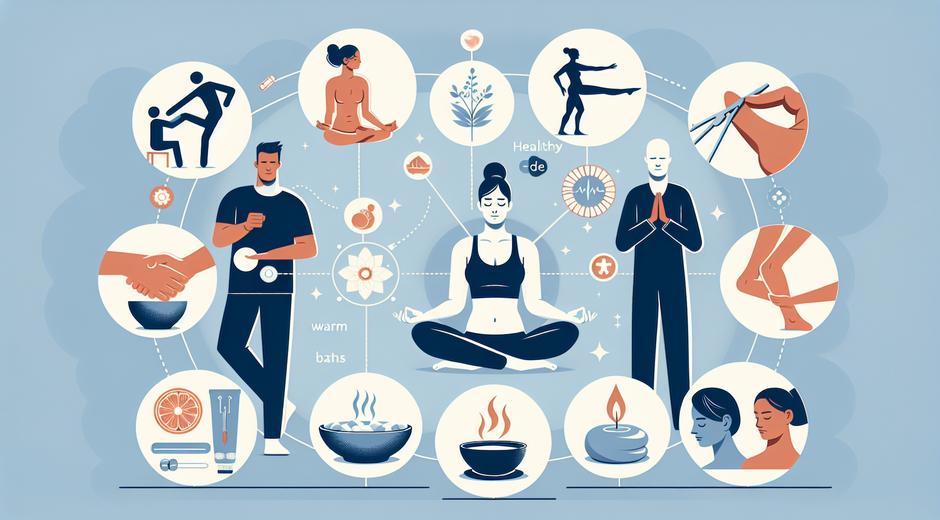
Most Mindfulness practices fall into a few clear categories. Choose one or two to begin and add more as your comfort grows. Consistency matters more than duration so short daily sessions beat occasional long sessions.
- Breath awareness Simple breath work helps anchor attention and calm the nervous system.
- Body scan A systematic check in for sensations that increases body awareness and reduces tension.
- Mindful movement Gentle movement with awareness of how the body responds to position and force.
- Mindful eating Slow attention to flavor texture and hunger cues to build better relation with food.
- Open monitoring Nonjudgmental awareness of thoughts and feelings as they appear and pass.
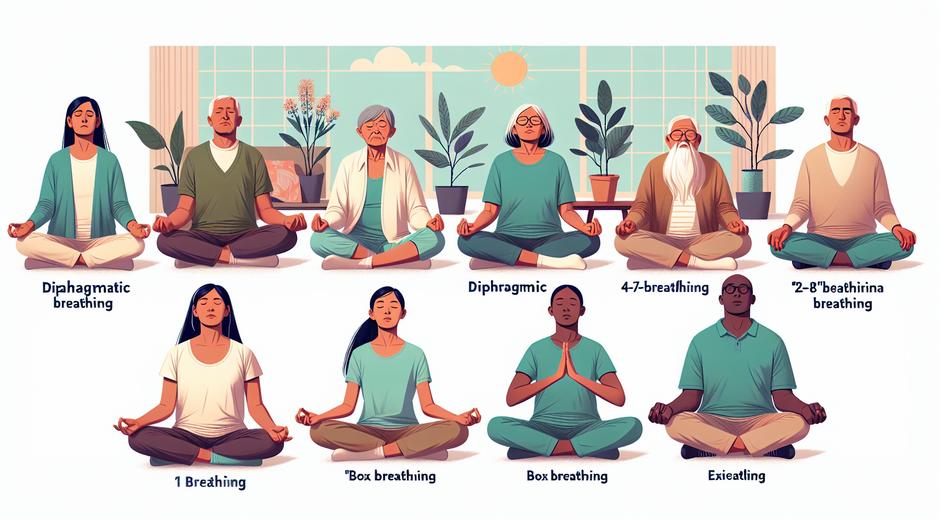
How to practice mindful breathing
Mindful breathing is the most accessible Mindfulness practice. Begin with three to five minutes each morning or at a time when you feel stress. Sit comfortably close your eyes and bring attention to the inhale and the exhale. Notice the rise and fall of the chest or the sensation at the nostrils. When your mind wanders gently bring attention back to the breath without criticism. Over days and weeks this simple focus increases capacity to return to the present in daily life.
Guided body scan for awareness
A body scan is an excellent Mindfulness practice for releasing accumulated tension. Lie down or sit with feet on the floor and bring attention to the toes. Slowly move attention up through the feet legs hips abdomen chest shoulders arms hands neck and head. At each region notice sensations such as warmth coolness pressure or tension. Allow any tension to soften while you remain simply curious. Ten to twenty minutes works well though shorter scans still help.
Mindful movement that adapts to any schedule
Movement is a practical form of Mindfulness practice that doubles as low intensity exercise. Walking slowly and noticing each step the shifting of weight and the contact with the ground is a walking meditation. Gentle stretching or seated yoga with attention on breath and muscle sensations brings the same benefits. Use movement when you notice restlessness or mental clutter to transform energy into focused presence.
Bring mindfulness to eating
Mindful eating is a powerful way to reconnect to hunger cues and pleasure. Begin by removing distractions such as screens. Observe the appearance aroma and texture of the food. Take a small bite and notice the full taste experience. Chew slowly and pause between bites. Over time mindful eating supports better digestion portion awareness and enjoyment of food.
Short practices for a busy day
You do not need hours to benefit from Mindfulness practices. Use micro practices when you have a one to five minute window. Examples include five mindful breaths before a meeting a single minute body check in at your desk or one minute of listening to ambient sounds without labeling them. These mini practices reset attention and reduce reactive responses.
How to measure progress
Progress with Mindfulness practices can feel subtle. Track small markers such as fewer reactive outbursts better sleep or clearer focus during work. Keep a simple journal noting the length of practice and a 1 to 10 rating of mood before and after the session. After several weeks compare entries to notice trends. Small consistent improvements often compound and lead to visible lifestyle benefits.
Common challenges and how to overcome them
Many people expect rapid transformation yet the learning curve for Mindfulness practices is normal. Common challenges include a busy mind physical discomfort and irregular practice. Address these by setting realistic goals such as five minutes daily choosing a comfortable posture and accepting distraction as part of the practice. Instead of judging yourself when attention wanders notice the wandering and return to your anchor. Over time patience becomes part of the skill set.
How Mindfulness practices fit into a wellness routine
Integrate Mindfulness practices into daily activities to make them sustainable. Pair breath awareness with your morning ritual use body scans before sleep and add mindful movement to breaks during the work day. Combining mindfulness with exercise nutrition and social connection creates a balanced wellness routine. If you are looking for structured ways to build this integration consider resources that teach study habits concentration and mindful learning at StudySkillUP.com. These materials complement Mindfulness practices by reinforcing attention strategies and time management skills.
Practical tips for lasting habit
- Anchor practice to an existing daily routine such as after brushing teeth or before lunch.
- Use reminders such as alarms or sticky notes until the habit feels natural.
- Start small and increase duration gradually to avoid burnout.
- Join a group or find a teacher for accountability and deeper learning.
- Celebrate small wins like a week of daily sessions to build momentum.
When to seek guided instruction
If you notice persistent anxiety strong emotional responses or physical symptoms that interfere with daily life consider a teacher or mental health professional. Guided instruction helps tailor Mindfulness practices to individual needs and provides safeguards for people with trauma or clinical conditions. Many community centers and online programs offer gentle introductory courses that balance practice with expert support.
Conclusion
Mindfulness practices are accessible effective and flexible tools for enhancing mental clarity emotional balance and overall wellness. Begin with short daily sessions choose from breath awareness body scans mindful movement and mindful eating and track small signs of progress. Consistency matters so build simple anchors into your routine and expand your practice as benefits emerge. For curated articles tools and community support on practical wellness topics visit bodywellnessgroup.com and explore guided learning at StudySkillUP.com to deepen your skills.