

Stress management techniques
Stress management techniques are essential skills for anyone who wants to improve health productivity and quality of life. In a world where demands grow and time feels limited learning practical tools to reduce stress is not a luxury it is a necessity. This article explains why stress control matters and describes proven approaches you can start using today. It also points to trusted resources for ongoing support and guidance.
Why stress management matters
Stress affects the body and the mind. When stress becomes chronic it can harm sleep digestion immune function and emotional balance. People who learn effective stress management techniques report better focus stronger resilience and improved relationships. Managing stress helps prevent burnout increases creativity and supports long term health. This makes investing time in learning tools to calm the nervous system and build coping skills highly worthwhile.
How to choose the right stress management techniques
Choosing the best stress management techniques depends on your lifestyle personality and current demands. Start by identifying your main stress triggers and how your body reacts. Keep a simple log for a week to note situations that raise your stress level and the physical signals you experience. Once you know your patterns you can match techniques to the situations where they work best. Use tools that are easy to practice consistently and that fit the time you have each day.
Daily habits that reduce stress
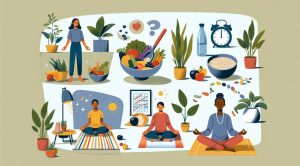
Regular daily habits create a foundation that reduces overall stress reactivity. Simple changes often add up quickly when done consistently.
- Sleep routine: Aim for regular sleep and wake times to improve recovery and emotional balance.
- Movement: Gentle exercise such as walking yoga or stretching supports mood and reduces tension.
- Healthy eating: Balanced meals with protein healthy fats and fiber help stabilize energy and mood.
- Hydration: Drinking enough water keeps the brain and body functioning well during stressful periods.
- Time outside: Natural light and fresh air improve mood and lower stress hormones.
For more articles and guides on building consistent daily routines visit bodywellnessgroup.com where you will find practical tips for long term wellbeing.
Quick stress management techniques for immediate relief
Sometimes you need a rapid way to calm down during a tense moment. These quick techniques can be used at work in public or at home without special equipment.
- Deep breathing: Breathe slowly for five to ten cycles focusing on long inhalations and slow exhalations.
- Grounding: Name five things you can see four things you can touch three things you can hear two things you can smell and one thing you can taste.
- Progressive muscle relaxation: Tense and then relax muscle groups starting at the feet and moving upward.
- Short walk: A brief walk around the block shifts physiology and clears the mind.
- Mindful pause: Pause for one minute and bring full attention to the present sensation of breath and position.
Stress management techniques for longer term resilience
Building resilience takes ongoing practice. The following techniques help reshape how your mind and body respond to stress and reduce the impact of future stressors.
Mindful meditation
Mindful meditation trains attention and fosters a non judgmental stance toward thoughts and feelings. Start with short sessions of five to ten minutes and gradually increase duration. Use guided meditations or apps to support consistency. Over time meditation reduces reactivity and increases emotional clarity.
Cognitive reframing
Cognitive reframing involves noticing stress fueling thoughts and then deliberately evaluating them. Ask whether the thought is accurate helpful or if an alternative perspective is available. This technique is central to many evidence based approaches and helps reduce worry and catastrophizing.
Developing social support
Relationships buffer the effects of stress. Building stronger connections with family friends or colleagues offers emotional support practical help and a sense of belonging. Make time for meaningful conversations and be willing to ask for help when needed. Giving support to others also increases feelings of purpose and reduces stress.
Time management and priority setting
Poor time management magnifies stress. Use a simple planning method to clarify priorities break tasks into manageable steps and schedule focus time. Learn to say no to tasks that do not align with your main goals. Clear plans reduce uncertainty and create a sense of control.
Lifestyle strategies that support stress management
Healthy lifestyle choices make stress management techniques more effective. Consider these broad approaches.
- Regular physical activity that you enjoy helps maintain a calm baseline and improves sleep quality.
- A balanced diet supports brain function and mood regulation.
- Limiting stimulants such as excessive caffeine and alcohol reduces anxiety and sleep disruption.
- Practicing gratitude and journaling helps shift focus from worry to what is working well in life.
When to seek professional help
While self help stress management techniques are effective for many people some conditions need professional care. If anxious thoughts interfere with daily life you experience persistent low mood or your stress triggers unhealthy behaviors consult a mental health professional. A trained clinician can offer structured therapies medication when appropriate and tools to tailor strategies to your unique situation. For trusted news resources and wellness coverage consider visiting Newspapersio.com to stay informed about developments in mental health and community services.
Creating a personalized stress management plan
Make a simple plan that combines immediate relief techniques daily habits and longer term practices. Start small and build gradually. Example steps include setting aside five minutes each morning for breath work scheduling three weekly walks planning two social interactions each week and keeping a brief log of stress triggers and responses. Review your plan monthly and adjust based on what works best.
Measuring progress and staying motivated
Track progress using measurable goals such as number of meditation sessions per week hours of sleep or days you used a coping strategy successfully. Celebrate small wins and be kind to yourself when progress is slow. Consistency matters more than perfection. Over time small changes compound into lasting improvements in how you handle pressure and change.
Conclusion
Stress management techniques are varied and adaptable. Whether you need fast relief during a busy day or a plan to build resilience the right mix of tools can transform your ability to cope. Combine daily habits immediate strategies and longer term practices to create a balanced approach. Start with one small change today and build from there. If you want ongoing guidance and resources explore trusted wellness sites and community news to stay motivated and informed.