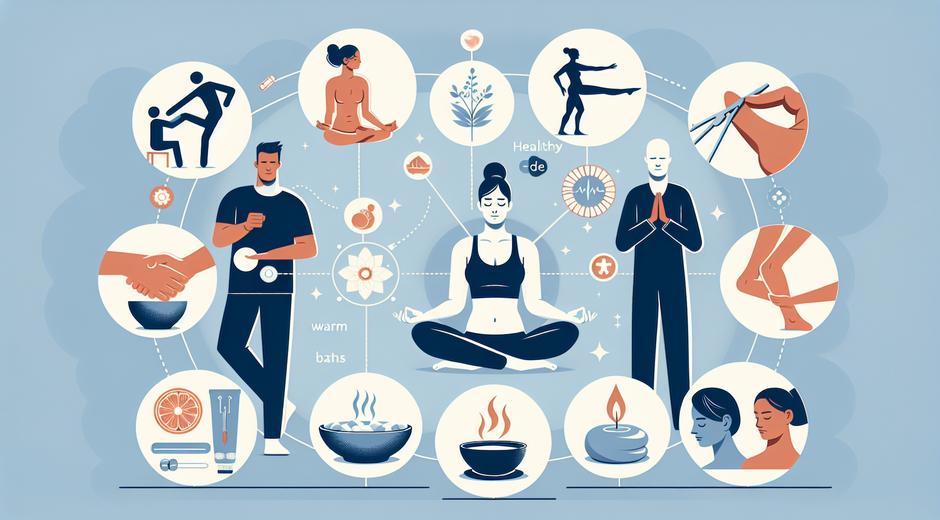


Wellness Rhythm: How to Create a Sustainable Flow for Mind Body Health
The phrase Wellness Rhythm captures a powerful idea. It invites a way of living where routines support physical vitality mental clarity and emotional balance. In this article we explore how to identify your natural Wellness Rhythm build daily habits that align with it and sustain a lifestyle that supports long term health. Whether you are new to personal care or seeking to refine a routine the principles here will help you tune into your body and mind with purpose.
What Wellness Rhythm Means
At its core Wellness Rhythm refers to the repeated patterns of behavior and internal cycles that shape how you feel and perform across a typical day week or month. It is not a rigid schedule. It is a responsive flow that honors natural energy peaks and rest needs. When you synchronize daily actions with these cycles you experience improved sleep enhanced focus reduced stress and steady energy.
Understanding your natural patterns starts with observation. Notice the times you feel most alert when your appetite is strongest and when you crave rest. Track mood shifts and productivity windows. This information forms the base of a practical plan that respects biology while accommodating responsibilities.
Key Elements of a Strong Wellness Rhythm
A sustainable Wellness Rhythm rests on a few simple pillars. Each pillar contributes to overall resilience and supports the others in a cycle of positive reinforcement.
Consistent sleep patterns help regulate hormones and support cognitive function. Aim to wake up and go to bed at similar times so your internal clock can stabilize. Gentle morning rituals prime your mind for the day while calming evening practices signal the body to unwind.
Nutrition that matches energy needs is another pillar. Eating with awareness and regularity prevents energy crashes and supports mood stability. Focus on whole foods adequate hydration and balanced meals that include protein fiber and healthy fats. Small changes in meal timing can help align energy levels with daily demands.
Movement succeeded by restorative practices forms the third pillar. Regular physical activity tuned to your capacity boosts circulation and mental clarity. Complement activity with intentional recovery such as stretching breath work or meditation. These practices help regulate the nervous system and reinforce resilience under stress.
Designing a Daily Rhythm That Works
To design a practical Wellness Rhythm start with a single day. Identify a realistic wake time and a consistent sleep time. Track energy and focus across the day for one week to see patterns. Create a morning sequence that prepares you for the day and an evening sequence that signals rest. Keep both sequences short and achievable so you can repeat them daily with ease.
Small rituals repeated over time have a compounding effect. A five minute movement session upon rising a short breathing exercise before key tasks and a calming routine before sleep are simple actions that create rhythm without requiring major lifestyle changes. Progress is built on repeatable steps rather than dramatic overnight transformations.
Adjusting Rhythm for Different Life Phases
Wellness Rhythm is adaptable. As life stages change so will your ideal routine. New caregiving duties travel changes or shifting work patterns will require recalibration. The key is to maintain core anchors like consistent rest periods and regular adequate nourishment. When circumstances shift review your daily pattern identify friction points and introduce one small tweak at a time.
For those who travel frequently or work varying hours there are strategies to preserve rhythm. Plan anchor practices that can be maintained in any environment such as hydration habits brief movement breaks and a portable relaxation ritual. For additional tools and inspiration visit bodywellnessgroup.com where you can find resources across wellness topics and practical guides to supporting a steady rhythm in changing circumstances.
Using Technology Without Losing Rhythm
Technology can help track sleep activity and movement but it can also disrupt rhythm when used without boundaries. Use apps and devices to gather insights then create limits that protect your restorative time. Turn off notifications during anchor periods set boundaries around evening screen use and choose tools that enhance sleep quality rather than fragment it.
When used thoughtfully technology becomes an ally in strengthening your Wellness Rhythm. Automated reminders for movement hydration and mindful pauses help translate intention into action. Review data trends monthly to assess progress and refine timing so your schedule supports natural energy patterns.
Community Support and Accountability
Human connection matters for sustaining wellness. Share goals with a friend or join a community that values similar practices. Accountability is a gentle lever for consistency and can make habit formation feel easier and more enjoyable. Group classes shared challenges or virtual check ins create social reinforcement that steadies progress.
For those seeking guided movement programs or motivational content that complements a rhythm based approach explore external specialists who focus on sustainable performance and recovery. One resource that blends sport science with holistic awareness is available at SportSoulPulse.com where tailored offerings support steady gains without sacrificing recovery and rest.
Measuring Success Without Pressure
Success in Wellness Rhythm is not perfect compliance. It is the cumulative improvement in sleep mood energy and resilience. Measure success through simple markers like increased clarity improved sleep duration fewer mood swings or greater capacity to handle stress. Regular reflection helps you appreciate progress and choose adjustments without harsh judgment.
Keep a brief weekly log of how you feel energy levels sleep and mood. Over time patterns will emerge that guide smarter changes. Celebrate small wins and treat lapses as information rather than failure. This compassionate stance makes it easier to return to routine and reestablish rhythm after disruptions.
Common Pitfalls and How to Avoid Them
A few common traps slow progress. Expecting too much too soon leads to burnout. Trying to overhaul every habit at once creates overwhelm. Instead start with one high leverage change such as consistent sleep times or a short morning ritual and build outward. Comparing your trajectory to others can also undermine motivation. Your Wellness Rhythm is personal and should align with your life and values.
Another pitfall is neglecting recovery. Activity without adequate rest undermines long term gains. Prioritize recovery as a core component of your plan. Active recovery days quality sleep and relaxation practices are not optional extras. They are essential components of sustainable performance and wellbeing.
Bringing It All Together
Wellness Rhythm is an accessible framework for creating consistent wellbeing through mindful routines tuning into natural cycles and making gradual strategic changes. It celebrates progress over perfection and invites a compassionate approach to personal care. By aligning daily choices with natural energy and rest patterns you create a foundation that supports mental clarity physical stamina and emotional balance.
Start small observe often and adjust gently. Use technology wisely build supportive community and protect recovery. Over time your daily choices will add up to lasting change. If you are ready to explore guided approaches to movement recovery and rhythm based training visit SportSoulPulse.com for more information and explore additional resources at bodywellnessgroup.com to continue learning about balanced resilient living.
Wellness Rhythm is not a fixed plan. It is a practice of listening responding and designing your days with intention. Adopt the principles here and you will find a steadying flow that sustains health and supports a life that feels aligned and energizing.